

 06-7220-9627
 WhatsApp
 Wechat
 LINE
LINE


 Day 2
Day 2
 Wakayama
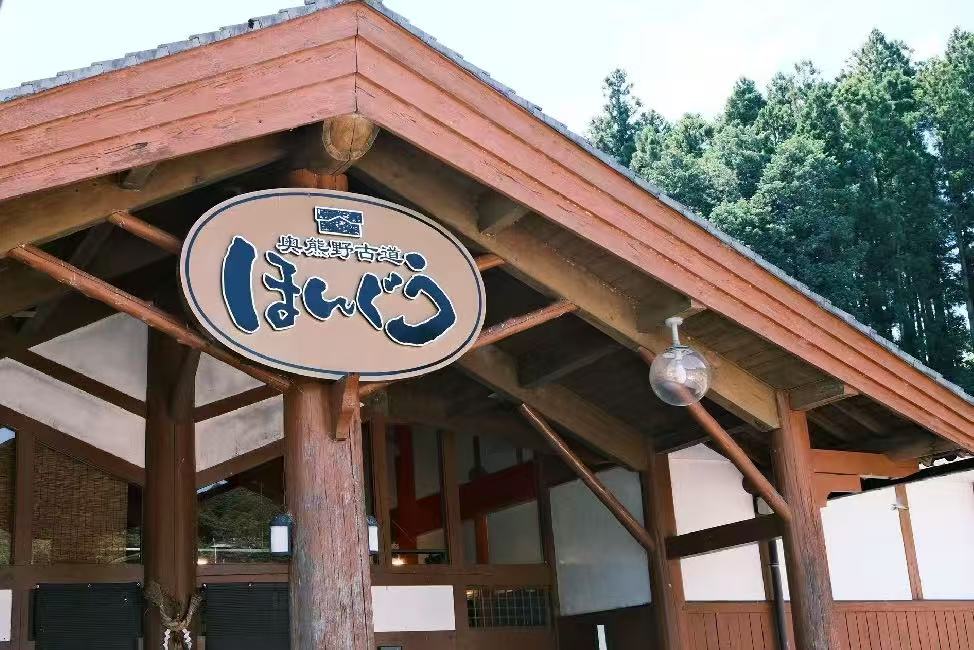
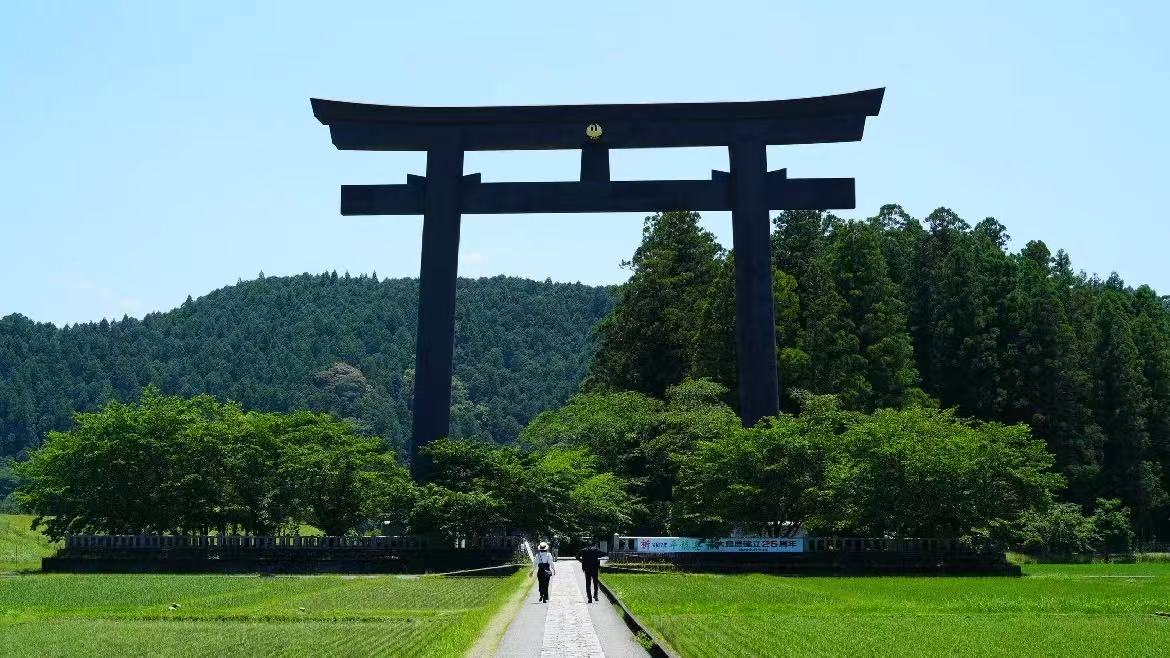
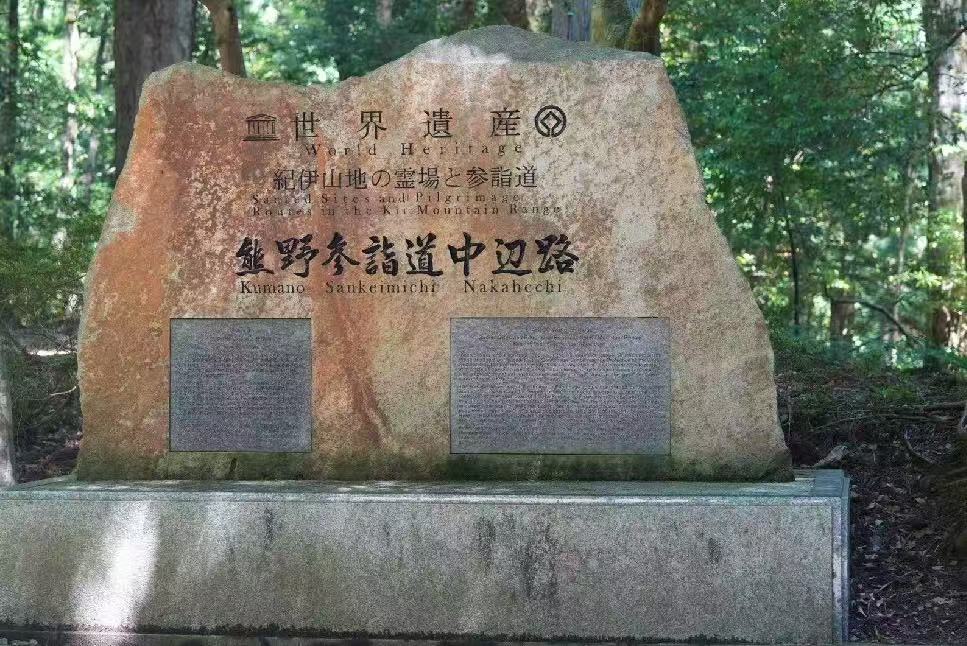

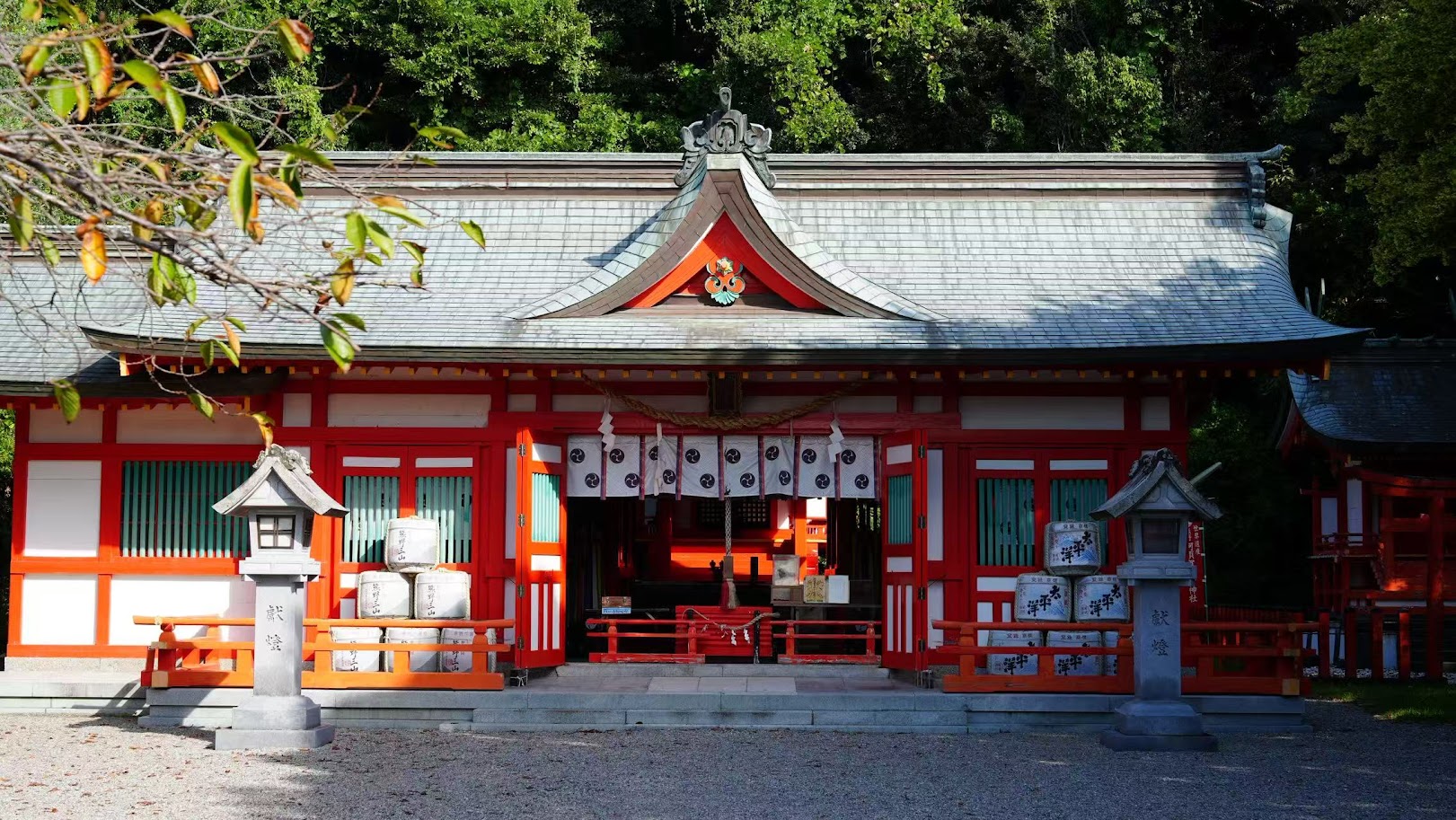
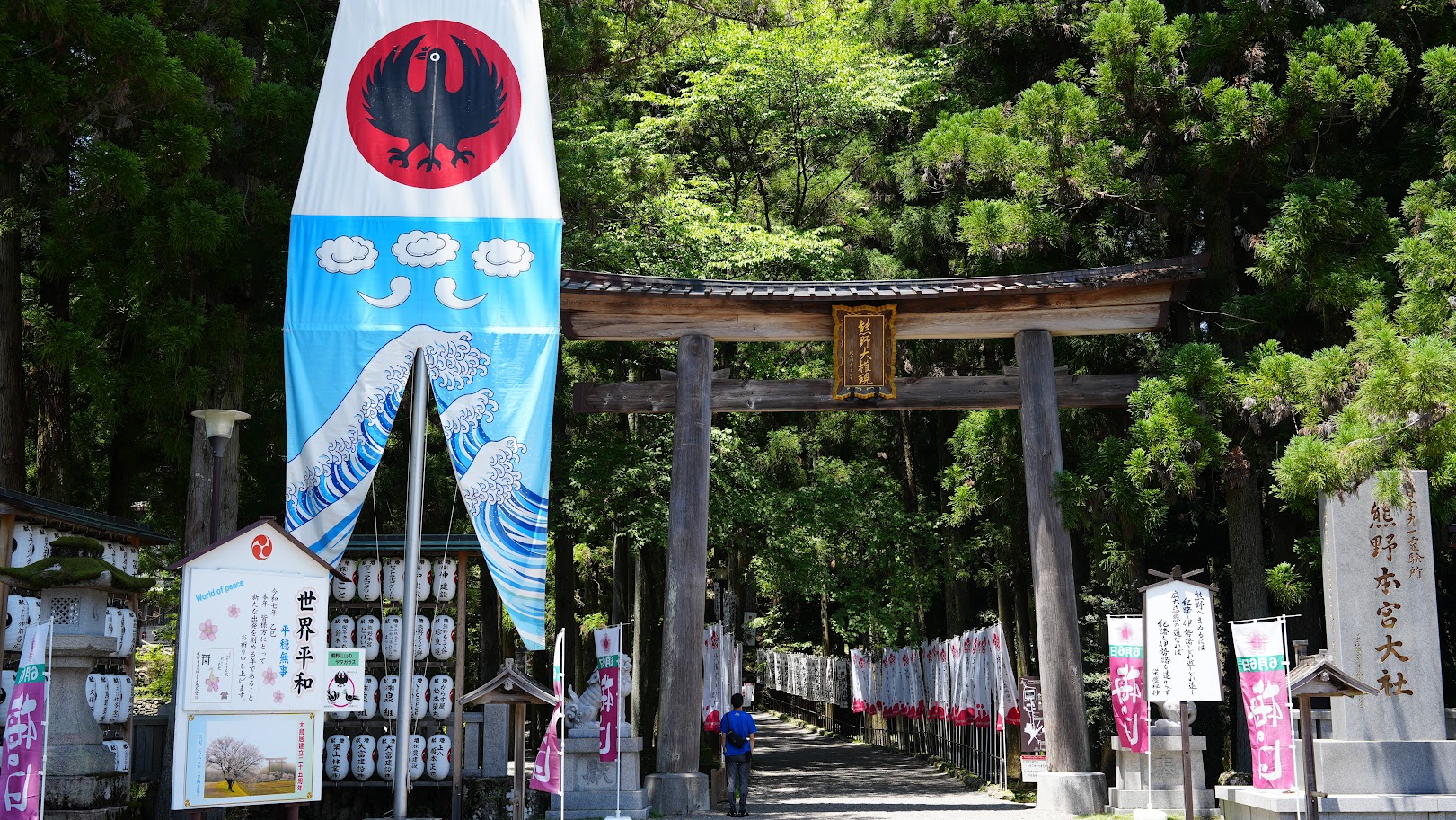
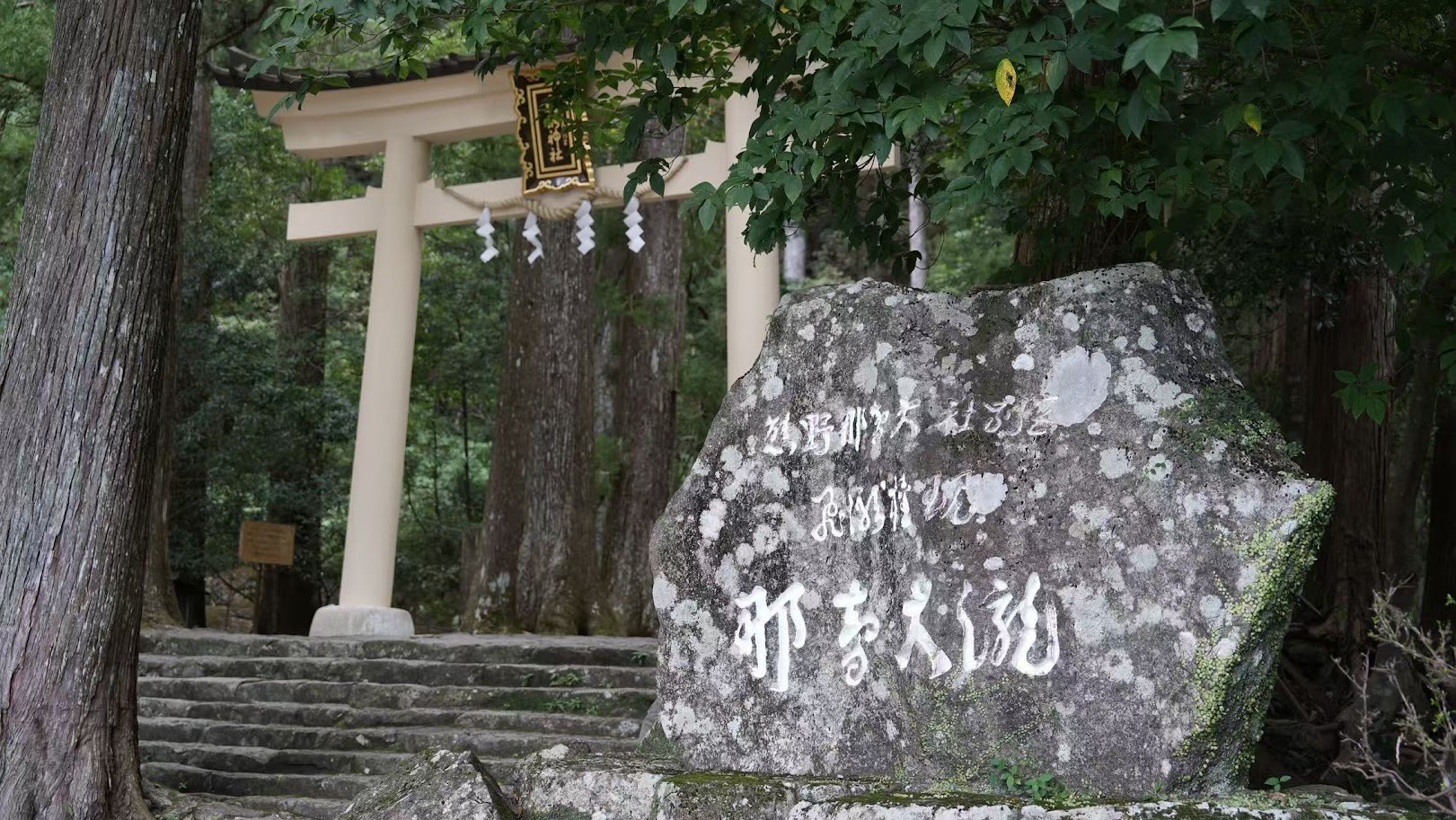
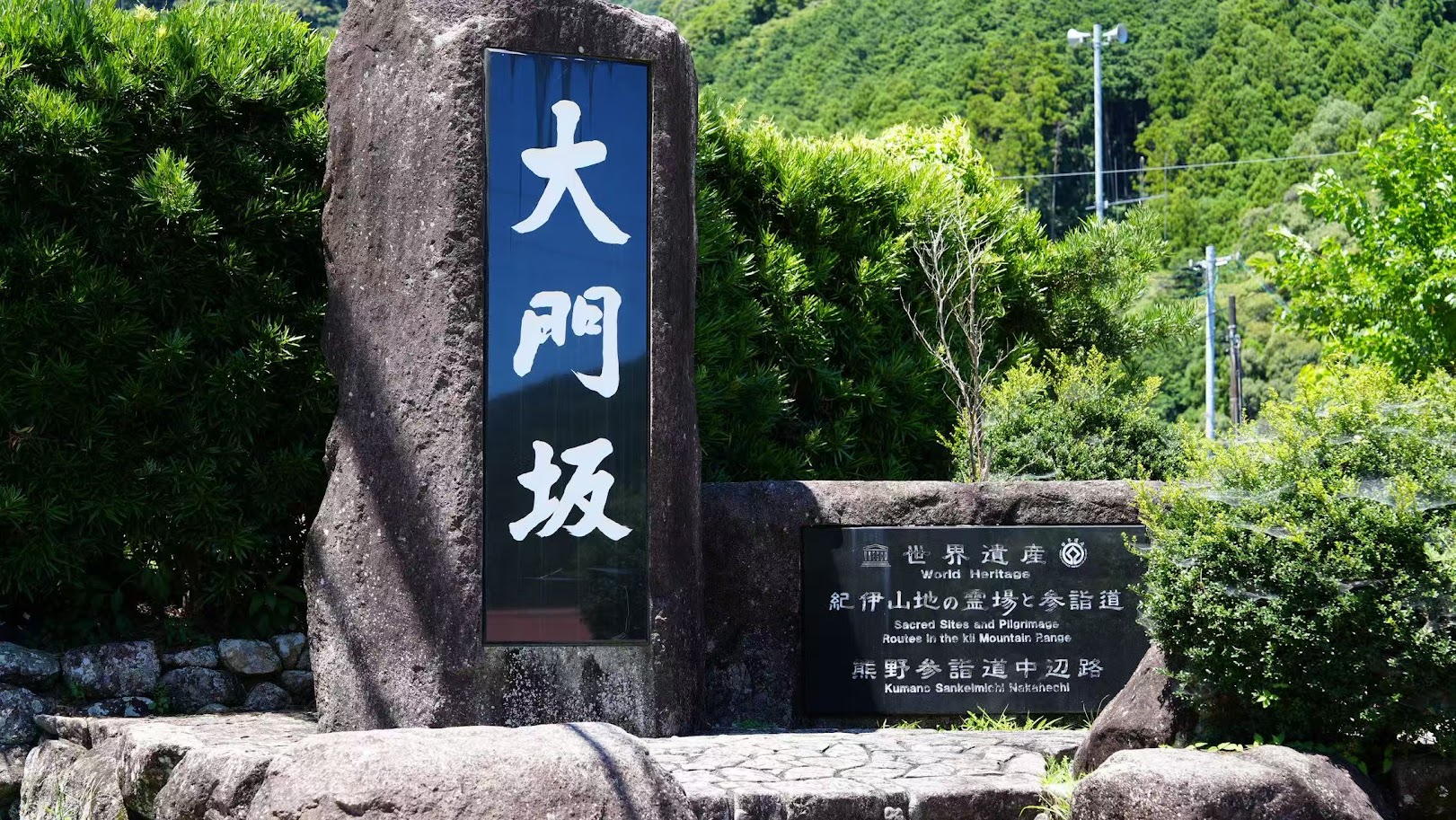
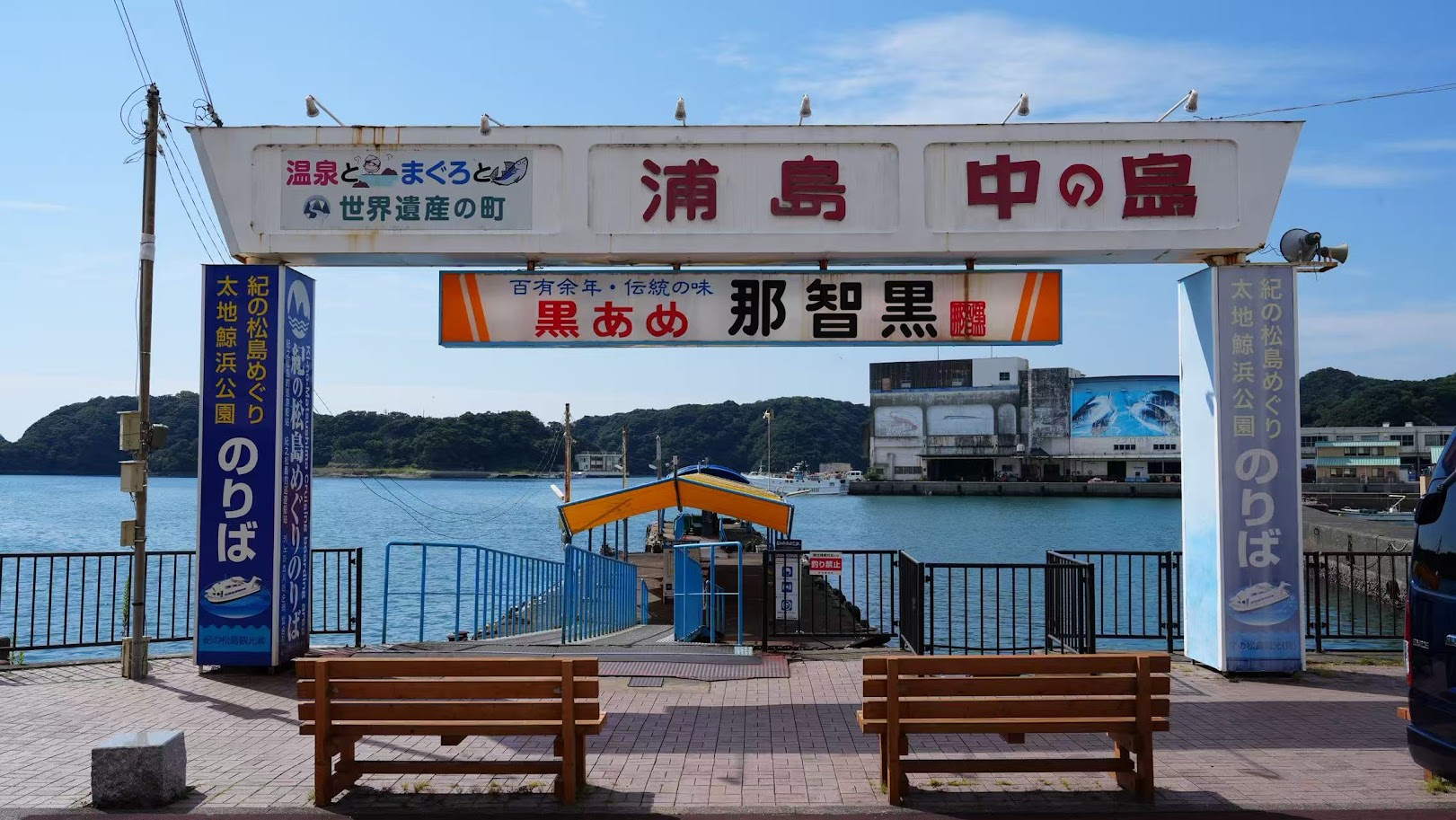
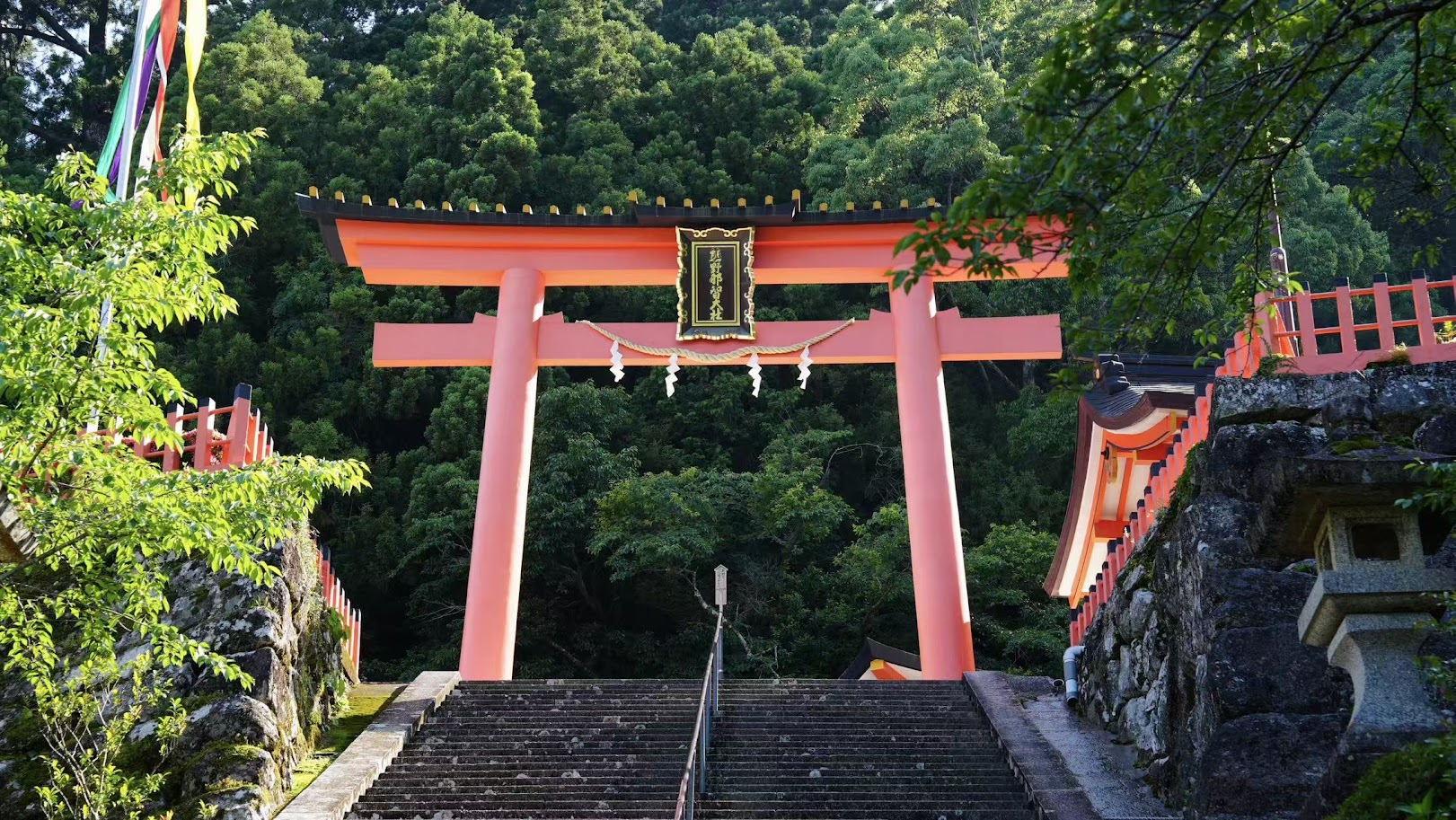
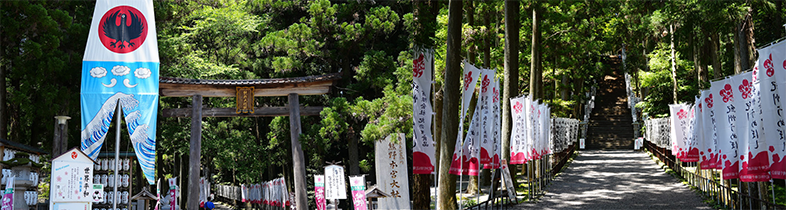
A place where a thousand years of faith converge, step into Kumano Hongu Taisha and begin a pilgrimage that purifies the body and mind.
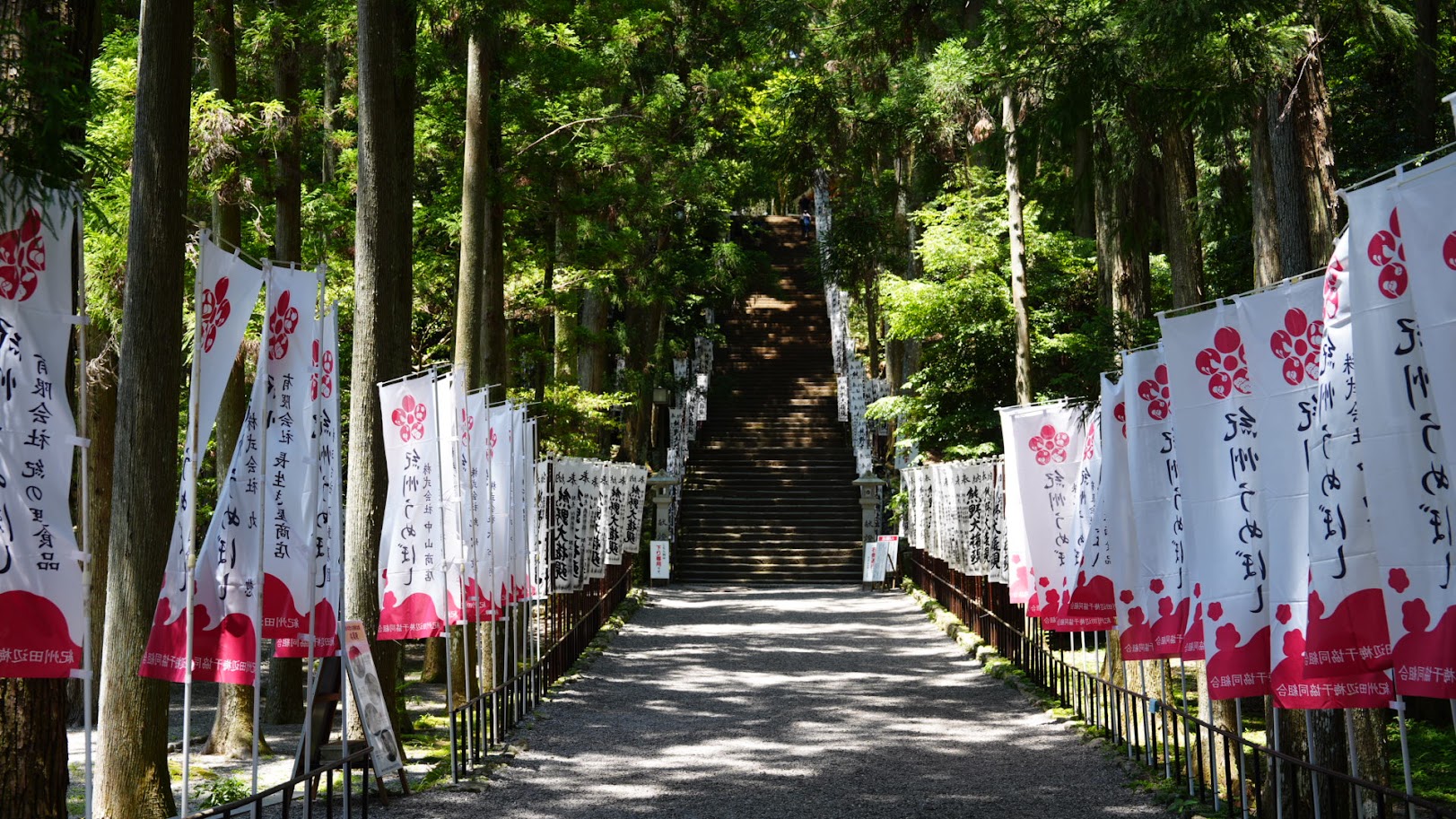
This is the core sacred site of Kumano belief, which since ancient times has attracted countless emperors, nobles, and commoners to worship, and is regarded as the final destination of the “Kumano Pilgrimage.” The current shrine buildings stand solemnly surrounded by mountains, and the original site, “Oyunohara,” still preserves one of the largest torii gates in Japan, symbolizing sanctity and rebirth. Walking slowly up the stone steps of the shrine approach, you can feel the unique charm where a thousand years of history and the spiritual energy of nature blend within the quiet cedar forest.
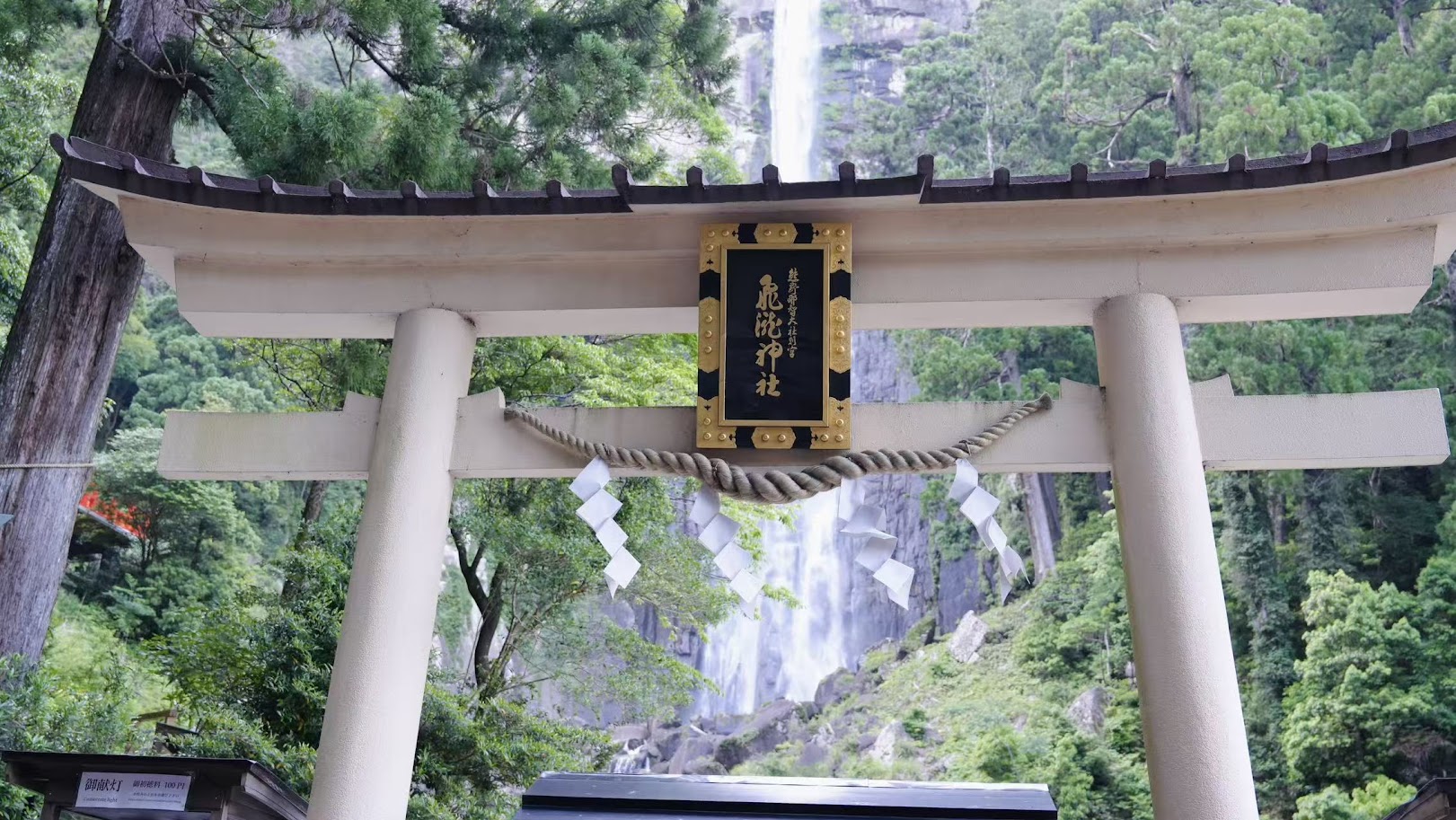
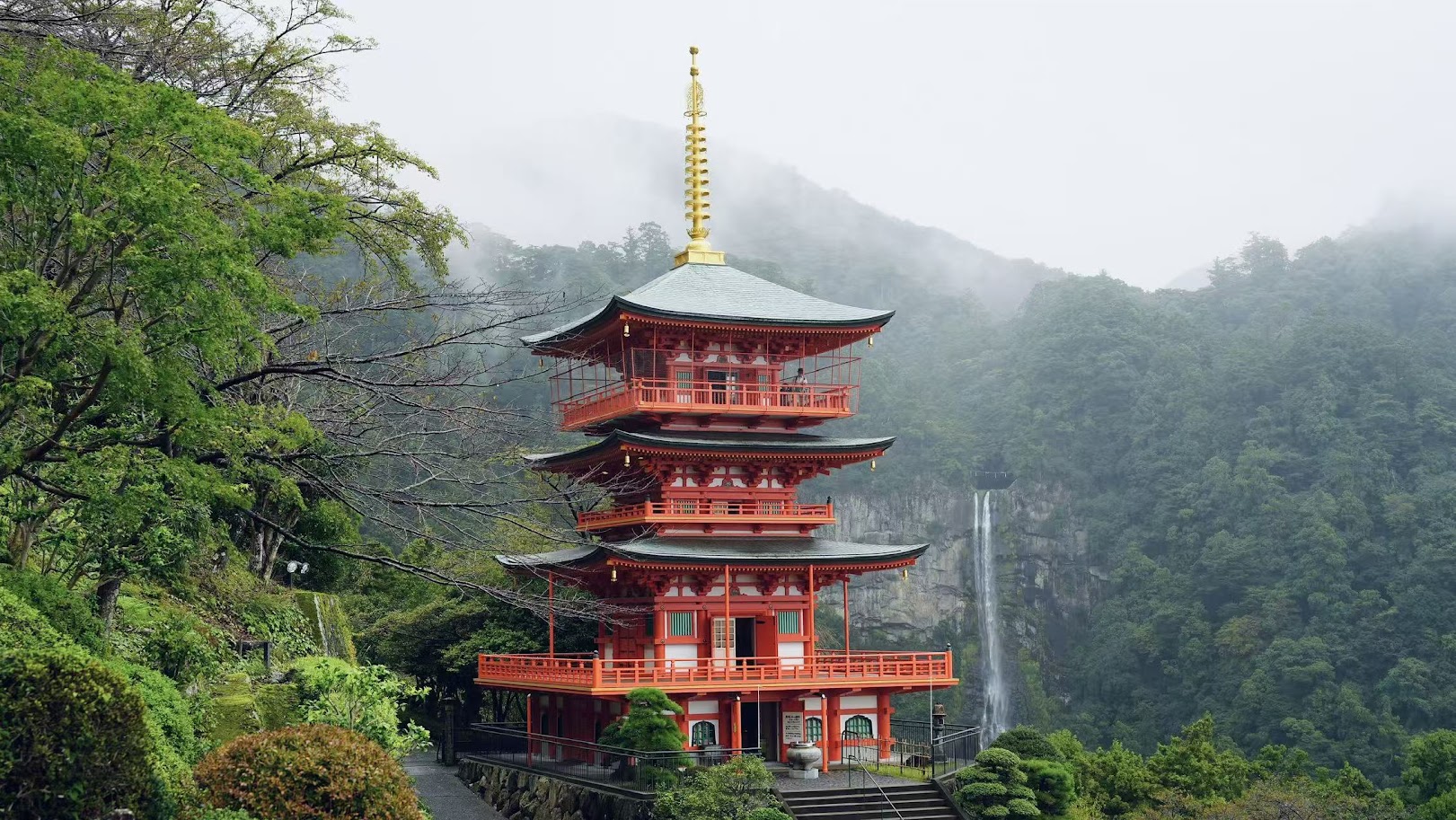
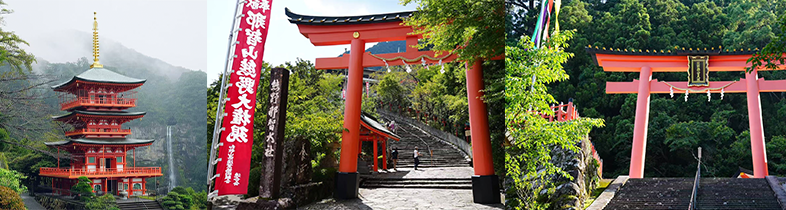
Kumano Nachi Taisha, a sacred site facing waterfalls and mountains, offers a spiritually striking experience at the place where nature and faith intersect.
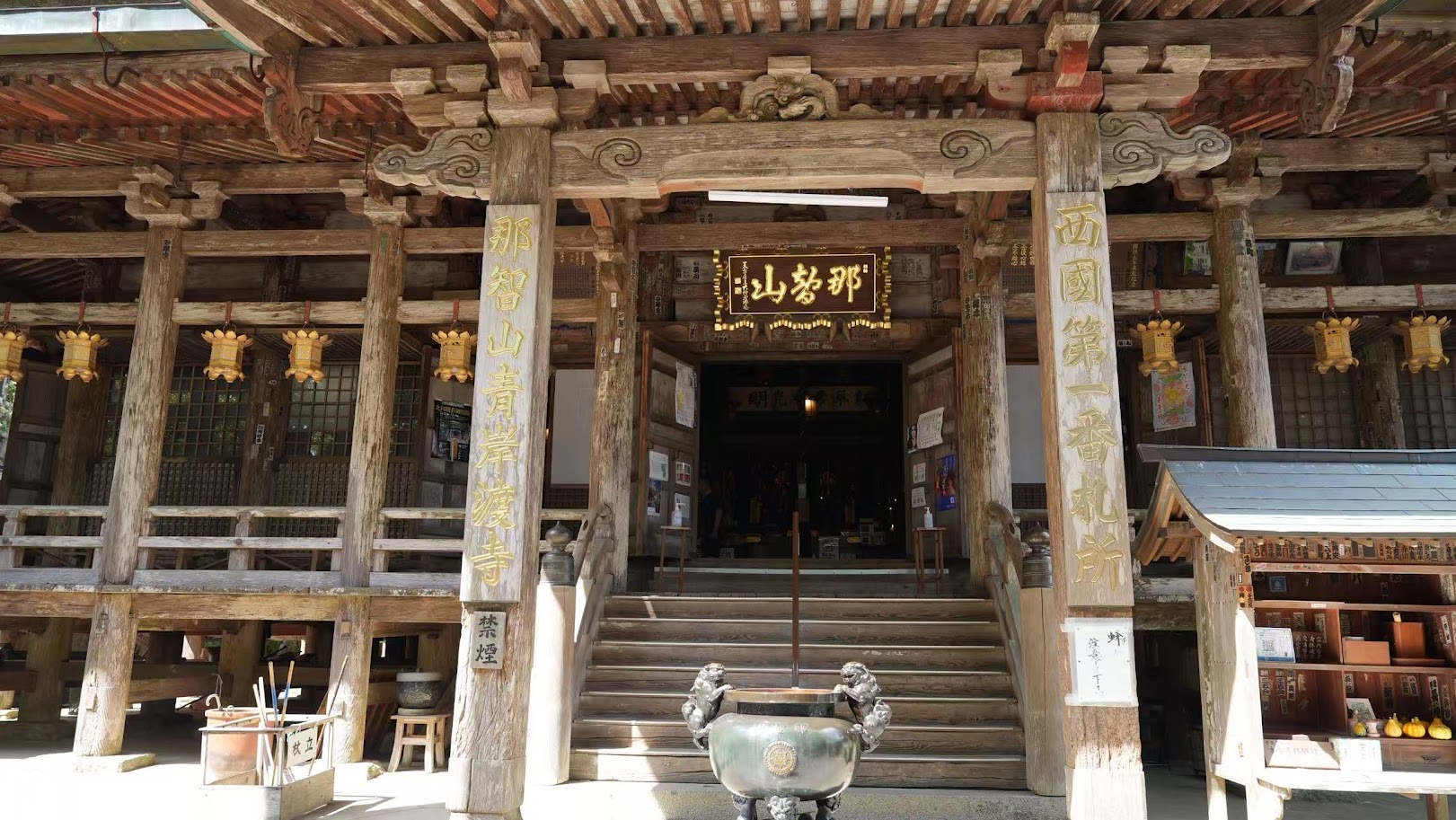
The shrine is built along the mountainside, facing Nachi Falls, one of Japan’s three most famous waterfalls, where a thousand years of rituals and nature worship merge into one. The vermilion shrine buildings stand out vividly among the blue mountains and mist, and as you ascend the stone steps, it feels as if you are entering a flowing classical painting. Adjacent to Seiganto-ji Temple, it presents a unique cultural landscape of Shinto-Buddhist syncretism and is one of the most visually impactful and spiritually atmospheric sacred sites among the Three Grand Shrines of Kumano.
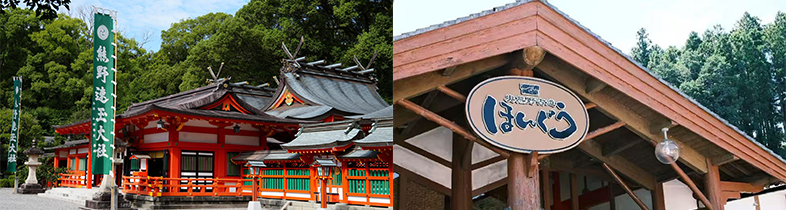
Kumano Hayatama Taisha, located at the mouth of the Kumano River, is a spiritually potent sacred site where one can feel the solemn power of ancient faith at the place where water and the divine meet.
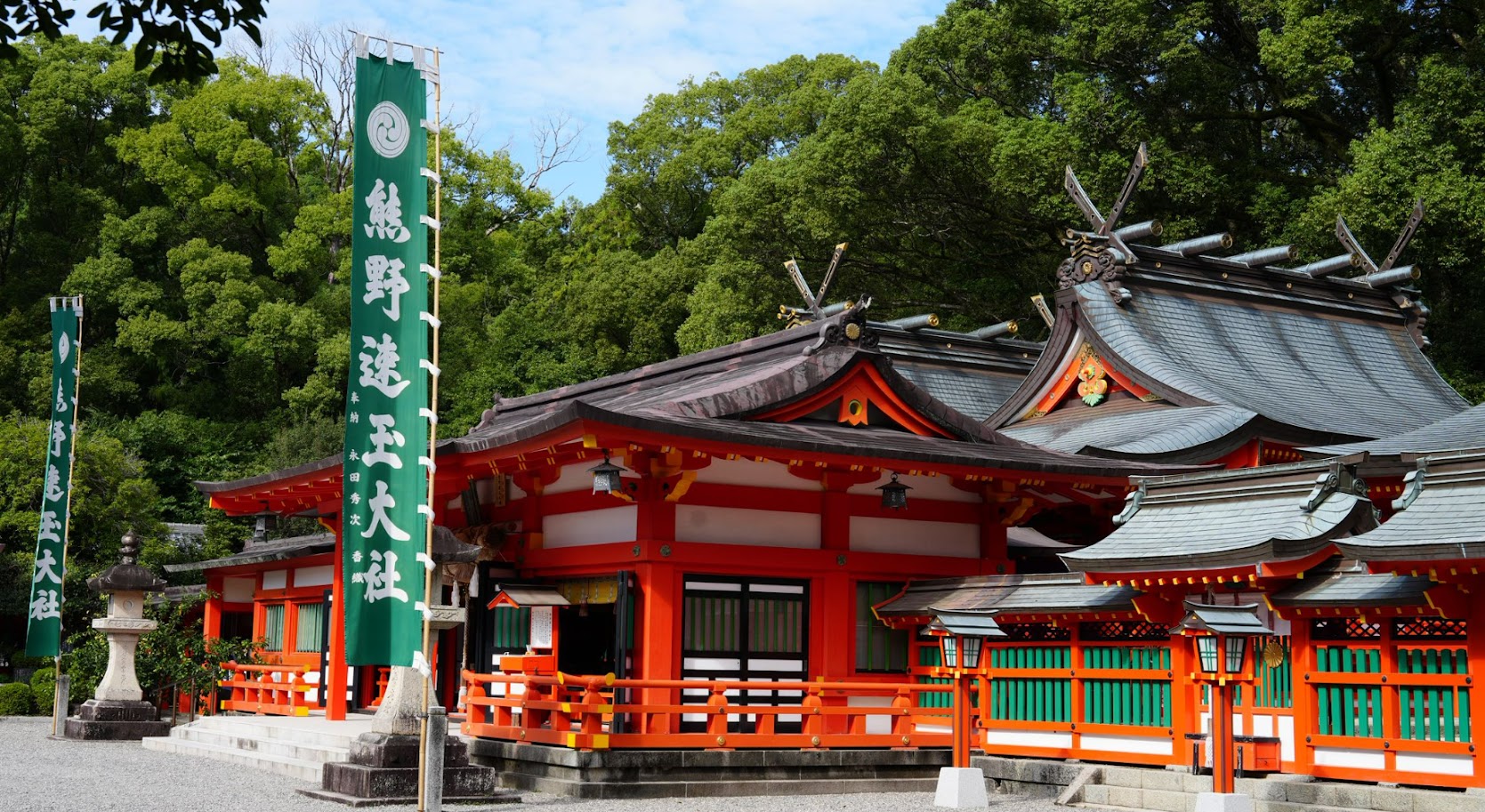
The shrine is situated in the center of Shingu City and has, since ancient times, welcomed countless pilgrims as one of the Three Grand Shrines of Kumano, making it an important stop on the “Kumano Pilgrimage.” The vermilion shrine buildings stand elegantly and solemnly, forming a scenic contrast with the Kumano River flowing into the sea, symbolizing the power of purification and rebirth. Within the grounds are preserved many nationally treasured cultural properties and thousand-year-old trees, and walking among them allows one to deeply experience the historical depth and spiritual essence of Kumano belief.
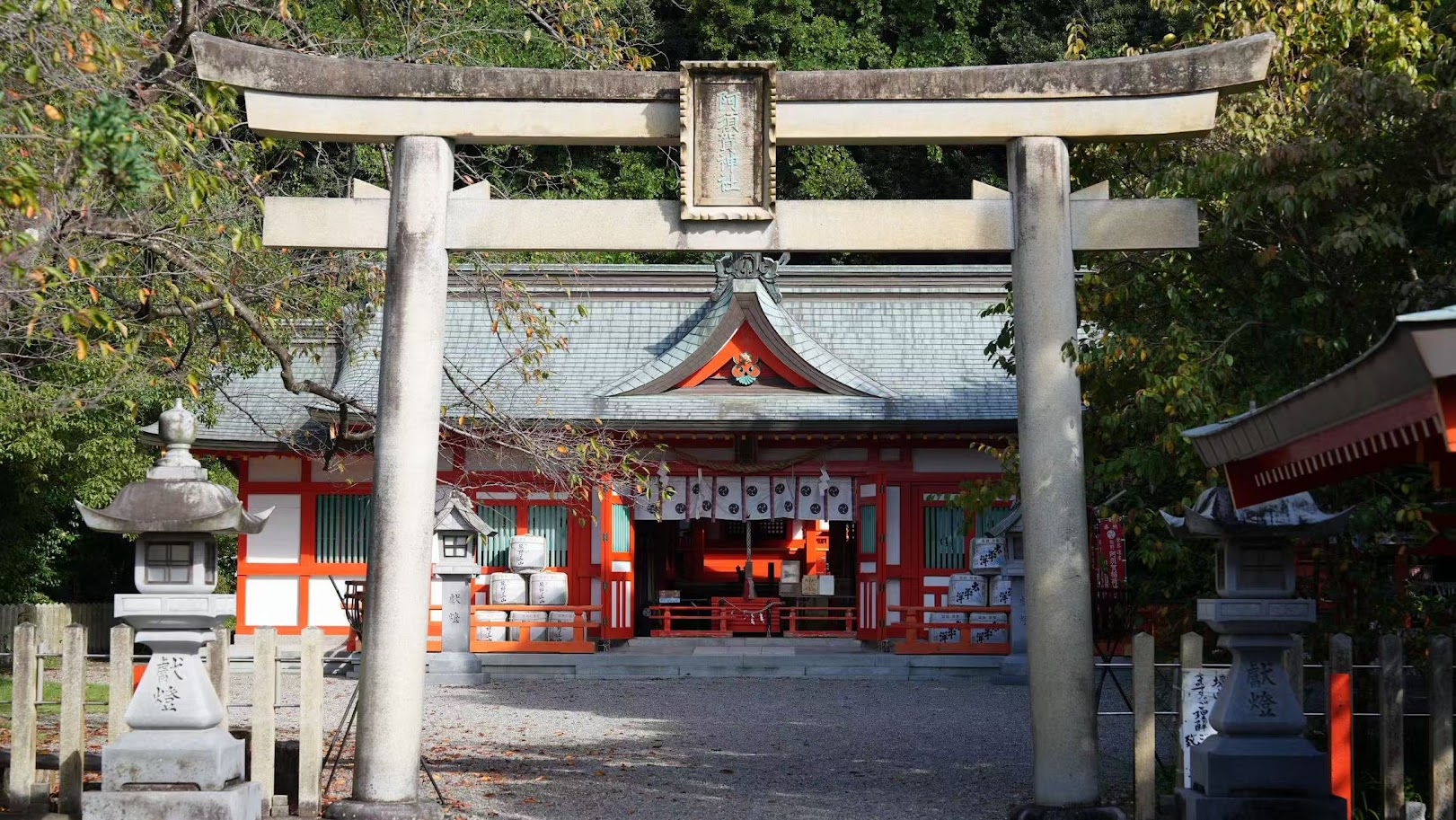
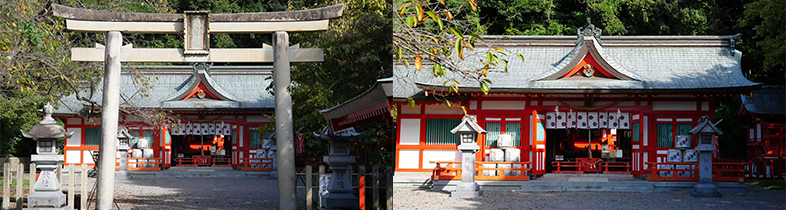
Asuka Shrine.
Walking into the deep greenery of Shingu City, this shrine with more than 1,300 years of history quietly protects the origins of Kumano. It is said that this is the sacred place where the deity of Kumano first appeared, and it is regarded as the “starting point” of Kumano belief.
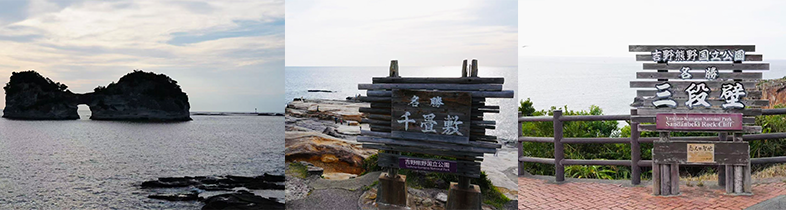
Engetsu Island / Senjojiki / Sandanbeki
When arriving at the coastline of Shirahama in Wakayama Prefecture, one of the most breathtaking sights is the strange rock formation standing on the deep blue sea—Engetsu Island (Engetsu-to). This natural islet, named for the circular sea-eroded hole at its center, is also a filming location for the Detective Conan movie.
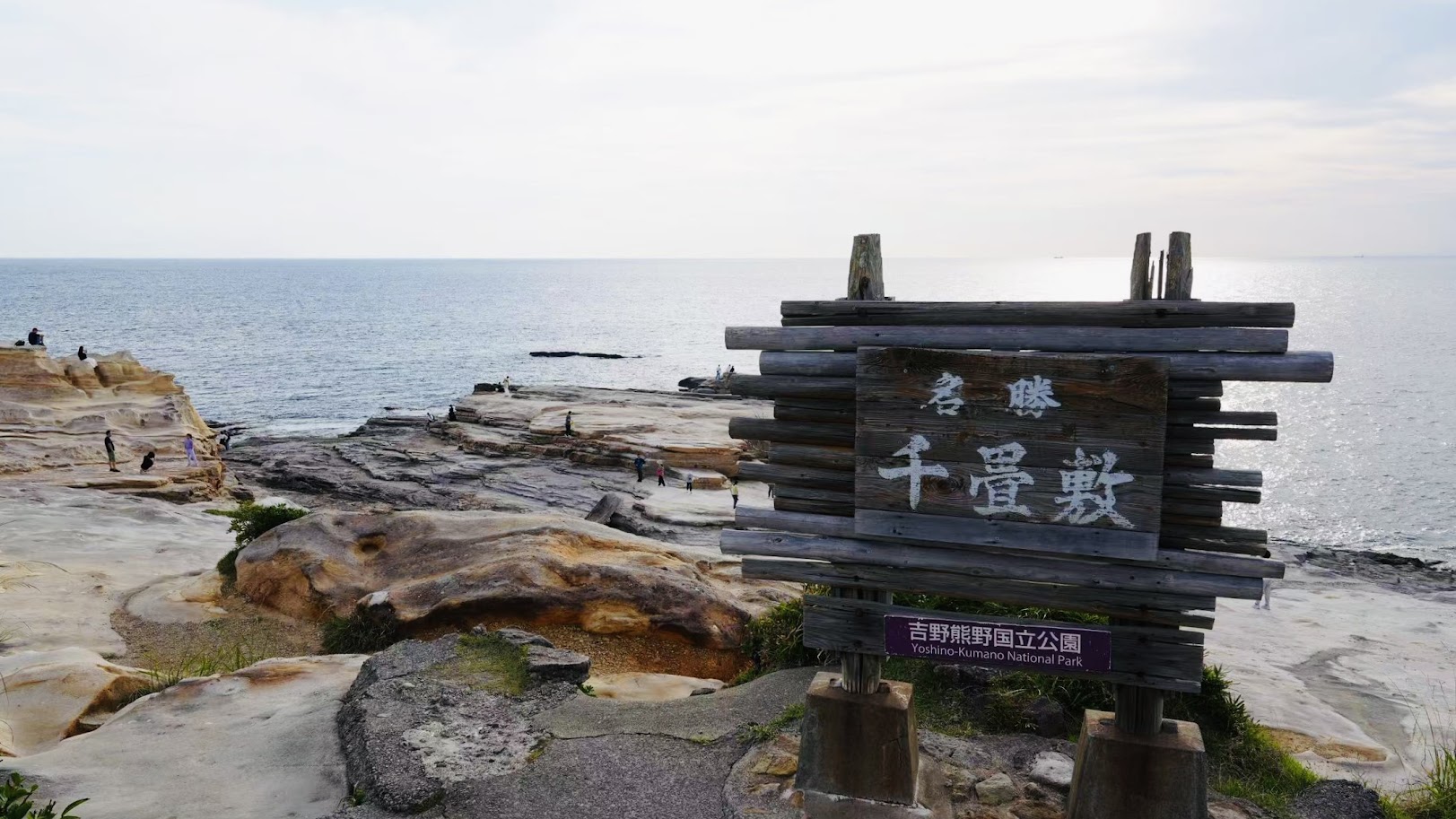
Standing on Senjojiki feels as if you are stepping onto waves of the ocean that have solidified. This massive rock terrace on the Shirahama coast was formed by millions of years of wind and wave erosion on sandstone layers, spreading out like a thousand tatami mats, which is why it is called “Senjojiki.”
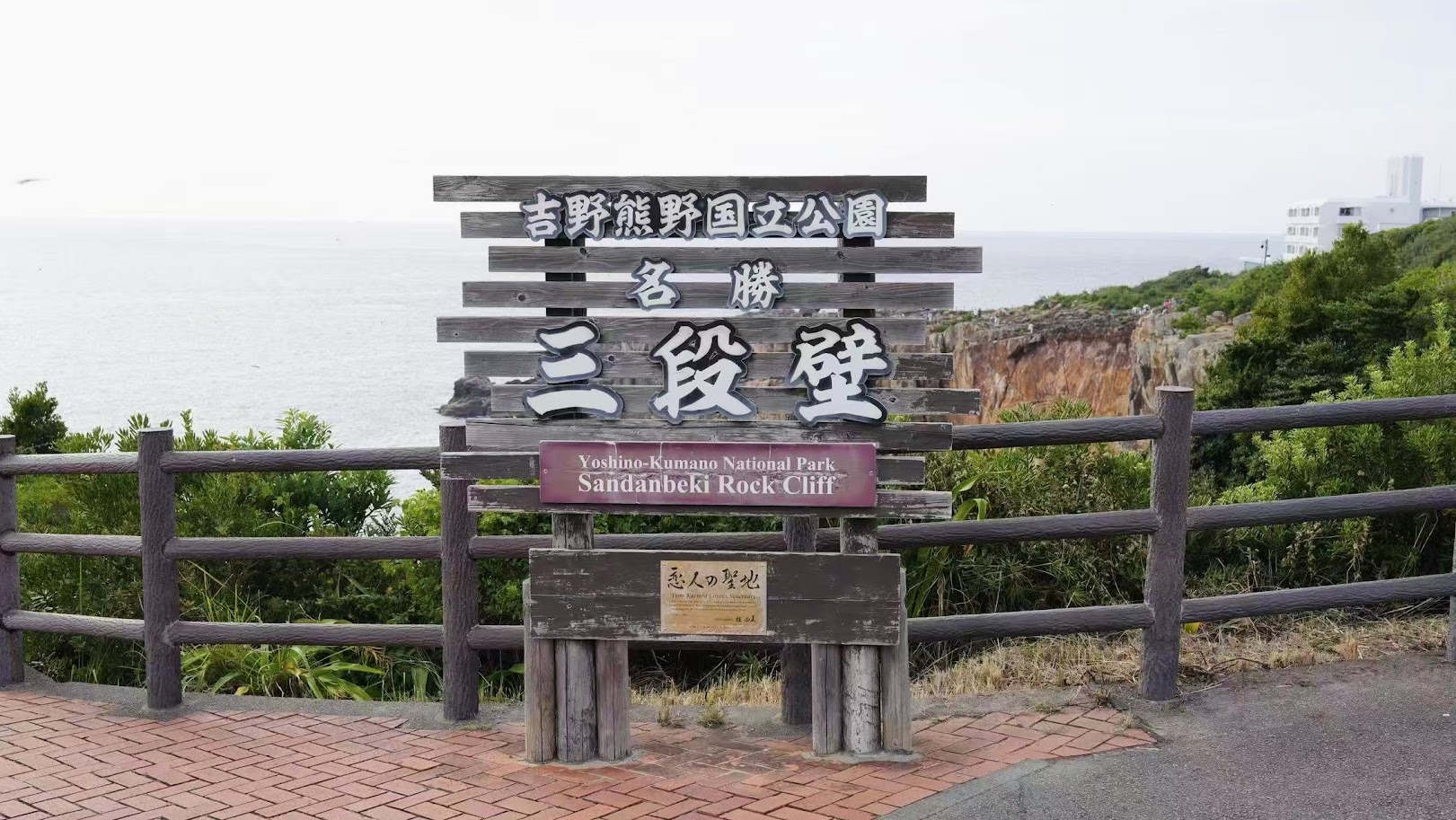
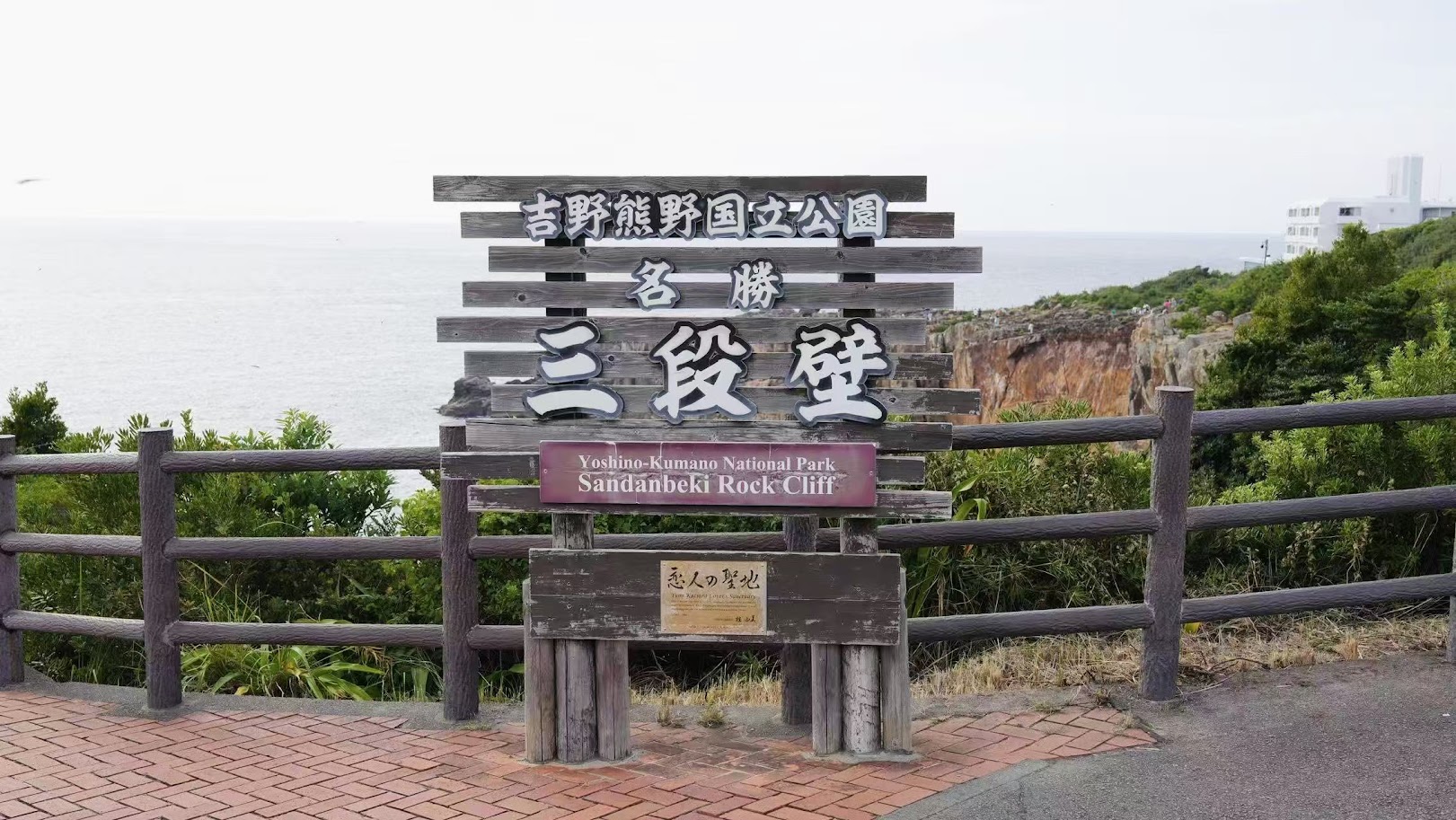
Sandanbeki (Sandanbeki) — a sea-eroded cliff rising 50 meters high and stretching for two kilometers — is struck by roaring waves with overwhelming force and is praised as the “No.1 sea cliff in Kansai.”
Admission fee not included.s

 06-7220-9627
WhatsApp
Wechat
LINE
06-7220-9627
WhatsApp
Wechat
LINE