
4-6-8 Kawaramachi, Chuo-ku, Osaka-shi,
Osaka 541-0048, Japan
TEL/FAX: +81-6-7220-9627
 06-7220-9627
4-6-8 Kawaramachi, Chuo-ku, Osaka-shi,
Osaka 541-0048, Japan
TEL/FAX: +81-6-7220-9627
 WhatsApp
 Wechat
 LINE
LINE


enriched with vibrant itineraries.
Admire the ever-changing seasons and immerse yourself
in the beauty and charm of Japan
—a blissful bus tour for all your senses.
enriched with vibrant itineraries.
Admire the ever-changing seasons and immerse yourself
in the beauty and charm of Japan
—a blissful bus tour for all your senses.
A sacred land where a thousand years of faith
converge—step into Kumano Hongu Taisha and embark on a pilgrimage to purify
body and soul.
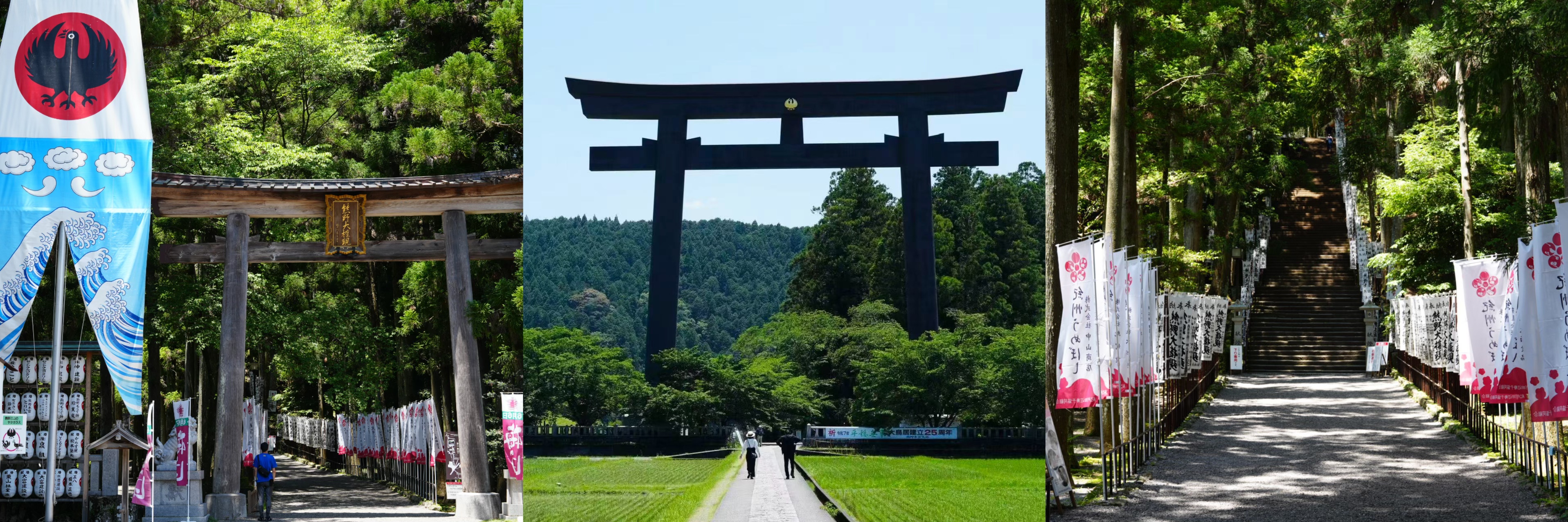
This is the spiritual heart of Kumano worship—a
sacred site that has drawn countless emperors, nobles, and commoners since
ancient times, revered as the final destination of the “Kumano Pilgrimage.”
Today, the solemn shrine stands nestled among encircling mountains, while its
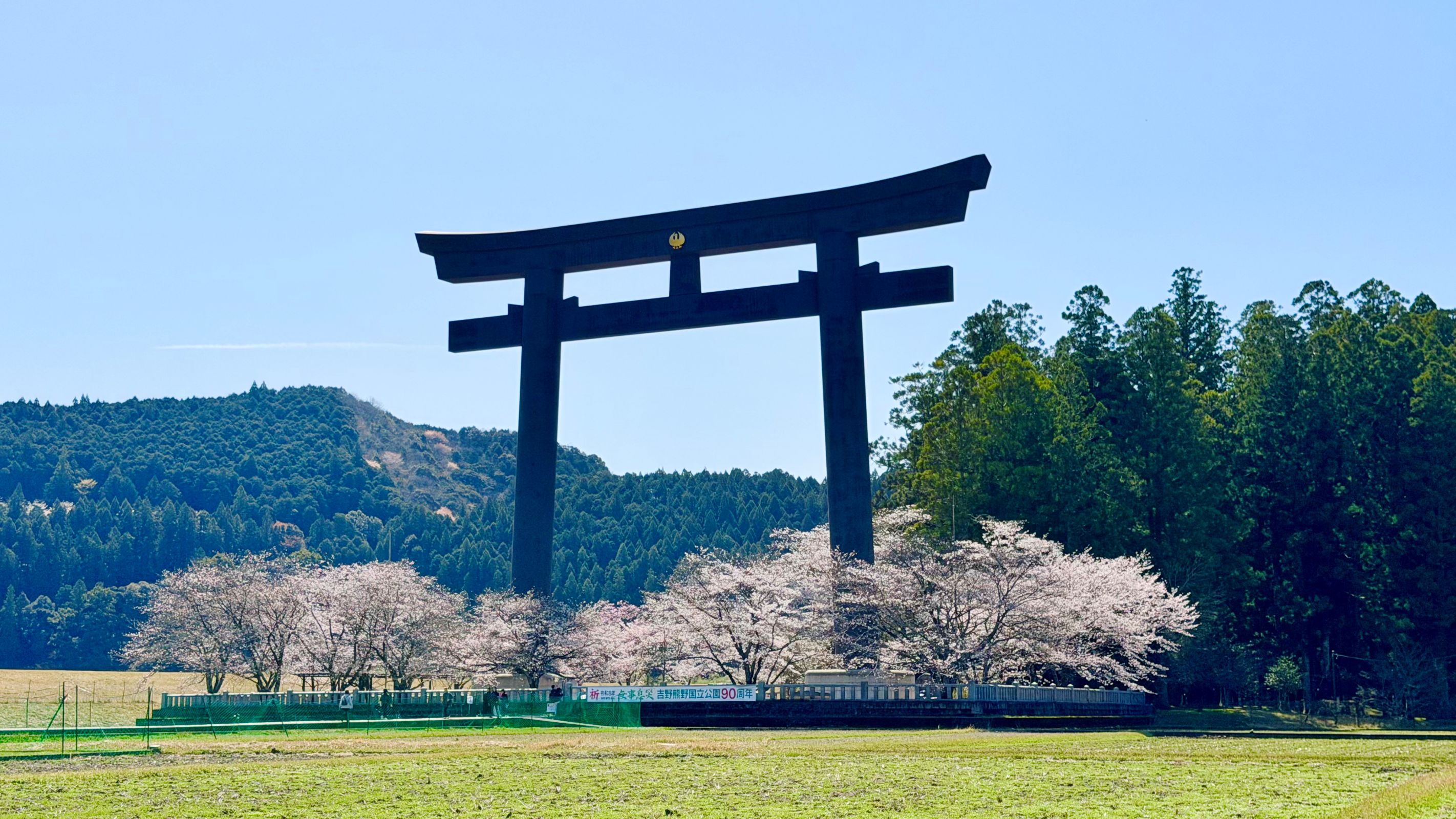
original site, Oyunohara, still preserves Japan’s largest torii gate,
symbolizing sanctity and rebirth. As you ascend the stone steps, the tranquil
cedar forest reveals a unique charm where a thousand years of history and the
spiritual energy of nature intertwine.
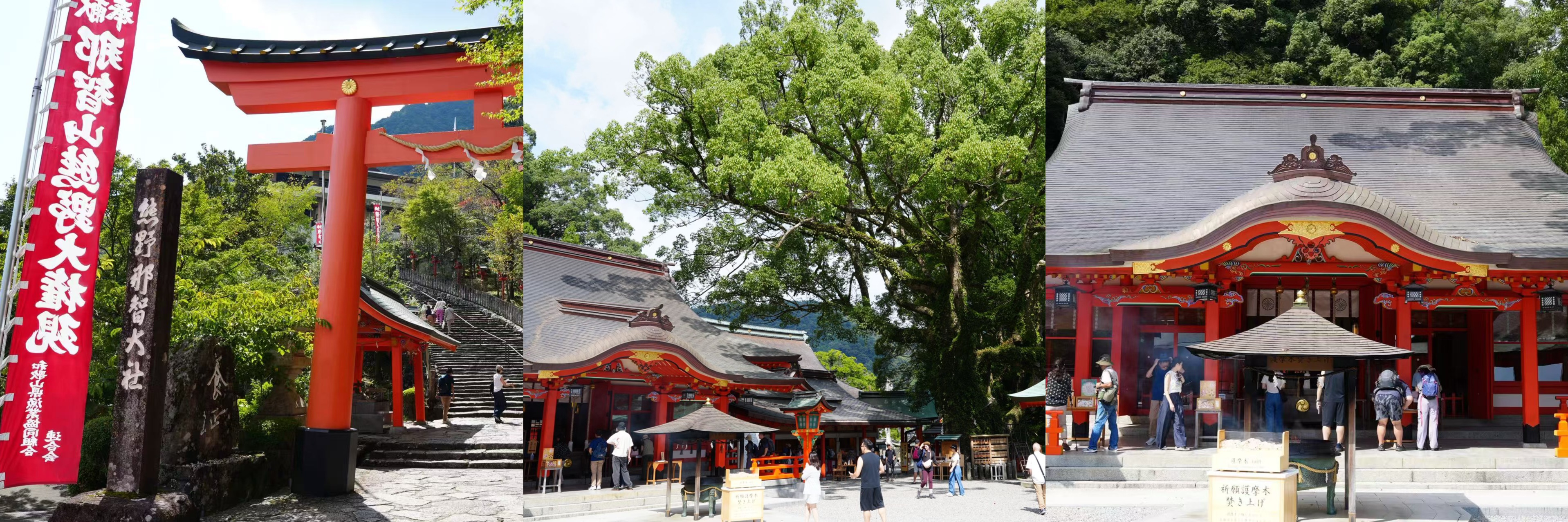
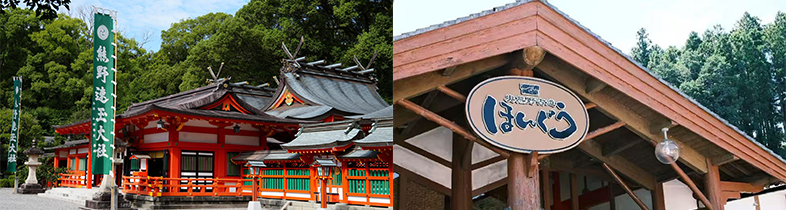
Kumano Nachi Taisha, a sacred sanctuary facing cascading waterfalls and majestic mountains, offers a soul-stirring experience where nature and faith converge.
Built along the mountainside and gazing upon Nachi Falls—one of Japan’s three most famous waterfalls—the shrine embodies a harmonious blend of ancient rituals and nature worship. Its vivid vermilion halls stand out strikingly amid misty green peaks, and ascending the stone steps feels like walking into a living classical painting. Nestled beside Seiganto-ji Temple, it showcases the unique cultural landscape of Shinbutsu-shūgō, the syncretism of Shinto and Buddhism, making it the most visually stunning and spiritually resonant of the three Kumano Grand Shrines.
Kumano Hayatama Taisha, a spiritually potent sanctuary at the mouth of the Kumano River, offers a solemn encounter with ancient faith where water and divinity converge.
Located in the heart of Shingu City, this shrine
has long welcomed countless pilgrims as one of the Three Grand Shrines of
Kumano, serving as a key stop along the Kumano pilgrimage. Its elegant
vermilion halls stand in solemn harmony with the rushing Kumano River,
symbolizing the power of purification and rebirth. Within the grounds,
nationally treasured cultural artifacts and thousand-year-old sacred trees are
preserved—inviting visitors to walk among them and deeply experience the
historical depth and spiritual essence of Kumano belief.
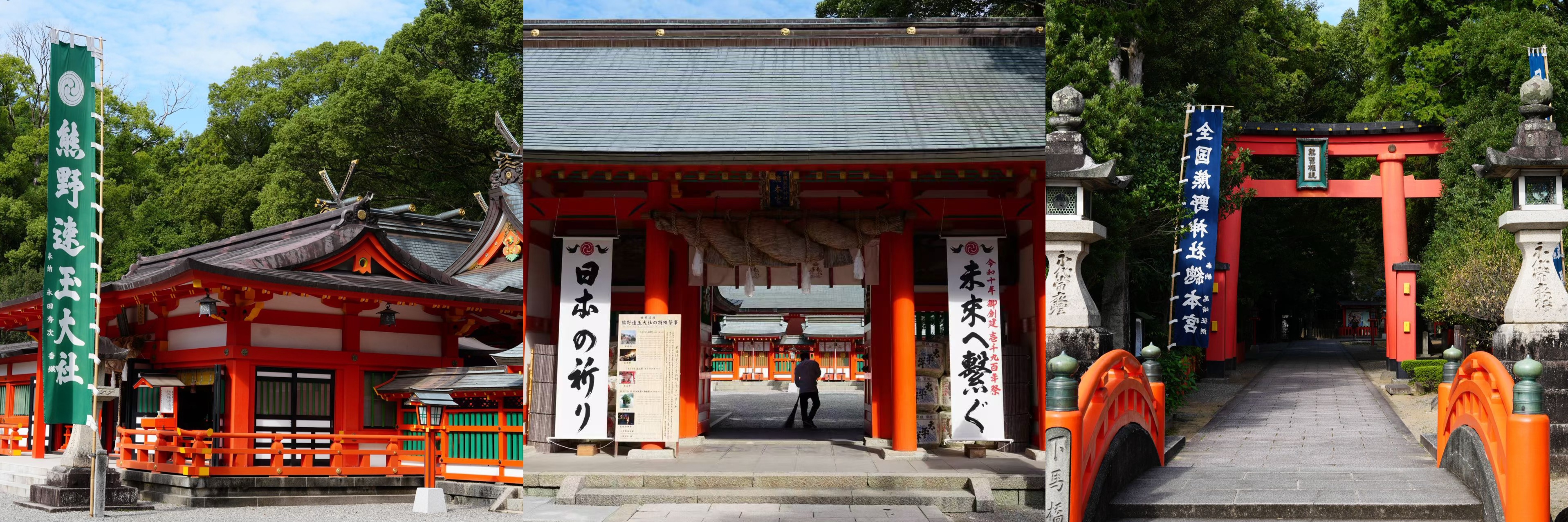
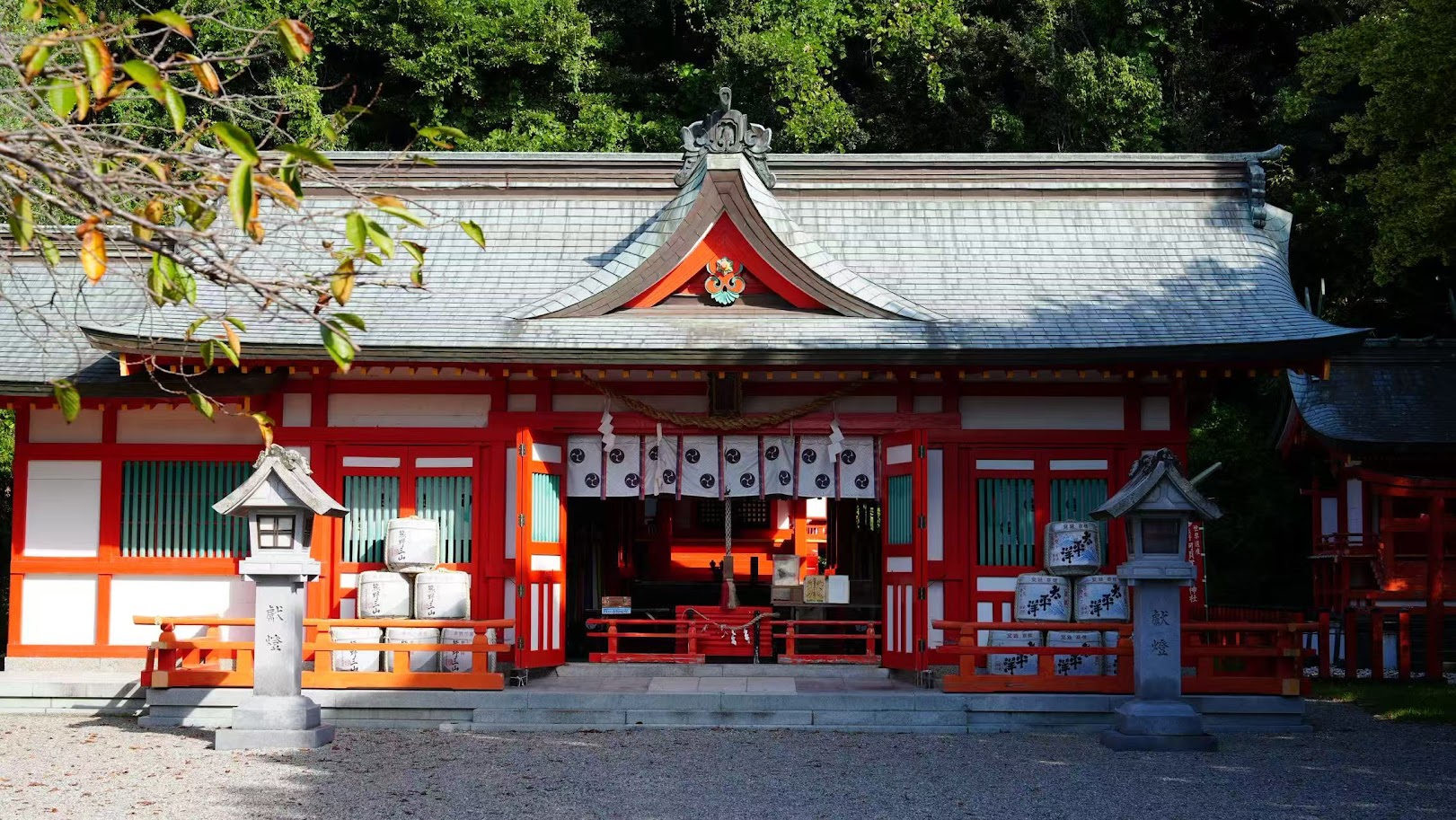
A place where a thousand years of faith converge, step into Kumano Hongu Taisha and begin a pilgrimage that purifies the body and mind.
This is the core sacred site of Kumano belief, which since ancient times has attracted countless emperors, nobles, and commoners to worship, and is regarded as the final destination of the “Kumano Pilgrimage.” The current shrine buildings stand solemnly surrounded by mountains, and the original site, “Oyunohara,” still preserves one of the largest torii gates in Japan, symbolizing sanctity and rebirth. Walking slowly up the stone steps of the shrine approach, you can feel the unique charm where a thousand years of history and the spiritual energy of nature blend within the quiet cedar forest.
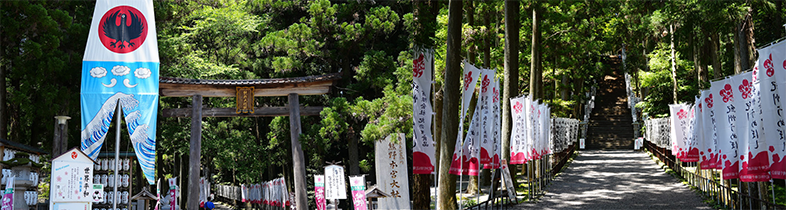
Kumano Nachi Taisha, a sacred site facing waterfalls and mountains, offers a spiritually striking experience at the place where nature and faith intersect.
The shrine is built along the mountainside, facing Nachi Falls, one of Japan’s three most famous waterfalls, where a thousand years of rituals and nature worship merge into one. The vermilion shrine buildings stand out vividly among the blue mountains and mist, and as you ascend the stone steps, it feels as if you are entering a flowing classical painting. Adjacent to Seiganto-ji Temple, it presents a unique cultural landscape of Shinto-Buddhist syncretism and is one of the most visually impactful and spiritually atmospheric sacred sites among the Three Grand Shrines of Kumano.
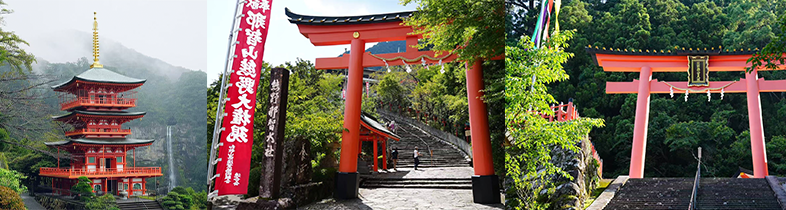
Kumano Hayatama Taisha, located at the mouth of the Kumano River, is a spiritually potent sacred site where one can feel the solemn power of ancient faith at the place where water and the divine meet.
The shrine is situated in the center of Shingu City and has, since ancient times, welcomed countless pilgrims as one of the Three Grand Shrines of Kumano, making it an important stop on the “Kumano Pilgrimage.” The vermilion shrine buildings stand elegantly and solemnly, forming a scenic contrast with the Kumano River flowing into the sea, symbolizing the power of purification and rebirth. Within the grounds are preserved many nationally treasured cultural properties and thousand-year-old trees, and walking among them allows one to deeply experience the historical depth and spiritual essence of Kumano belief.
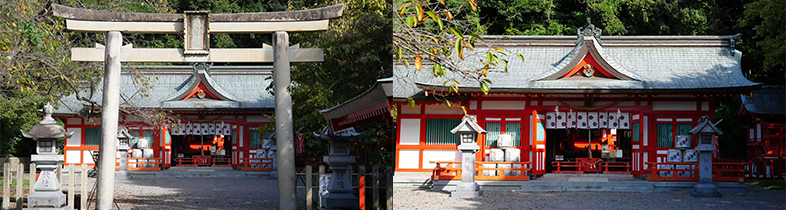
Asuka Shrine.
Walking into the deep greenery of Shingu City, this shrine with more than 1,300 years of history quietly protects the origins of Kumano. It is said that this is the sacred place where the deity of Kumano first appeared, and it is regarded as the “starting point” of Kumano belief.
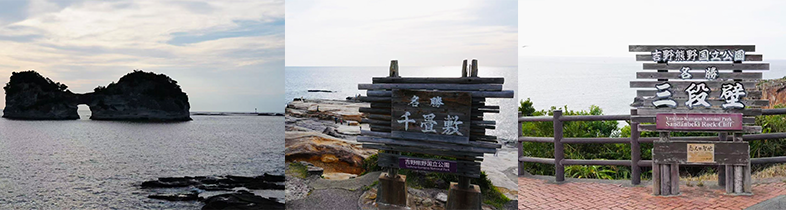
Engetsu Island / Senjojiki / Sandanbeki
When arriving at the coastline of Shirahama in Wakayama Prefecture, one of the most breathtaking sights is the strange rock formation standing on the deep blue sea—Engetsu Island (Engetsu-to). This natural islet, named for the circular sea-eroded hole at its center, is also a filming location for the Detective Conan movie.
Standing on Senjojiki feels as if you are stepping onto waves of the ocean that have solidified. This massive rock terrace on the Shirahama coast was formed by millions of years of wind and wave erosion on sandstone layers, spreading out like a thousand tatami mats, which is why it is called “Senjojiki.”
Sandanbeki (Sandanbeki) — a sea-eroded cliff rising 50 meters high and stretching for two kilometers — is struck by roaring waves with overwhelming force and is praised as the “No.1 sea cliff in Kansai.”
Admission fee not included.s
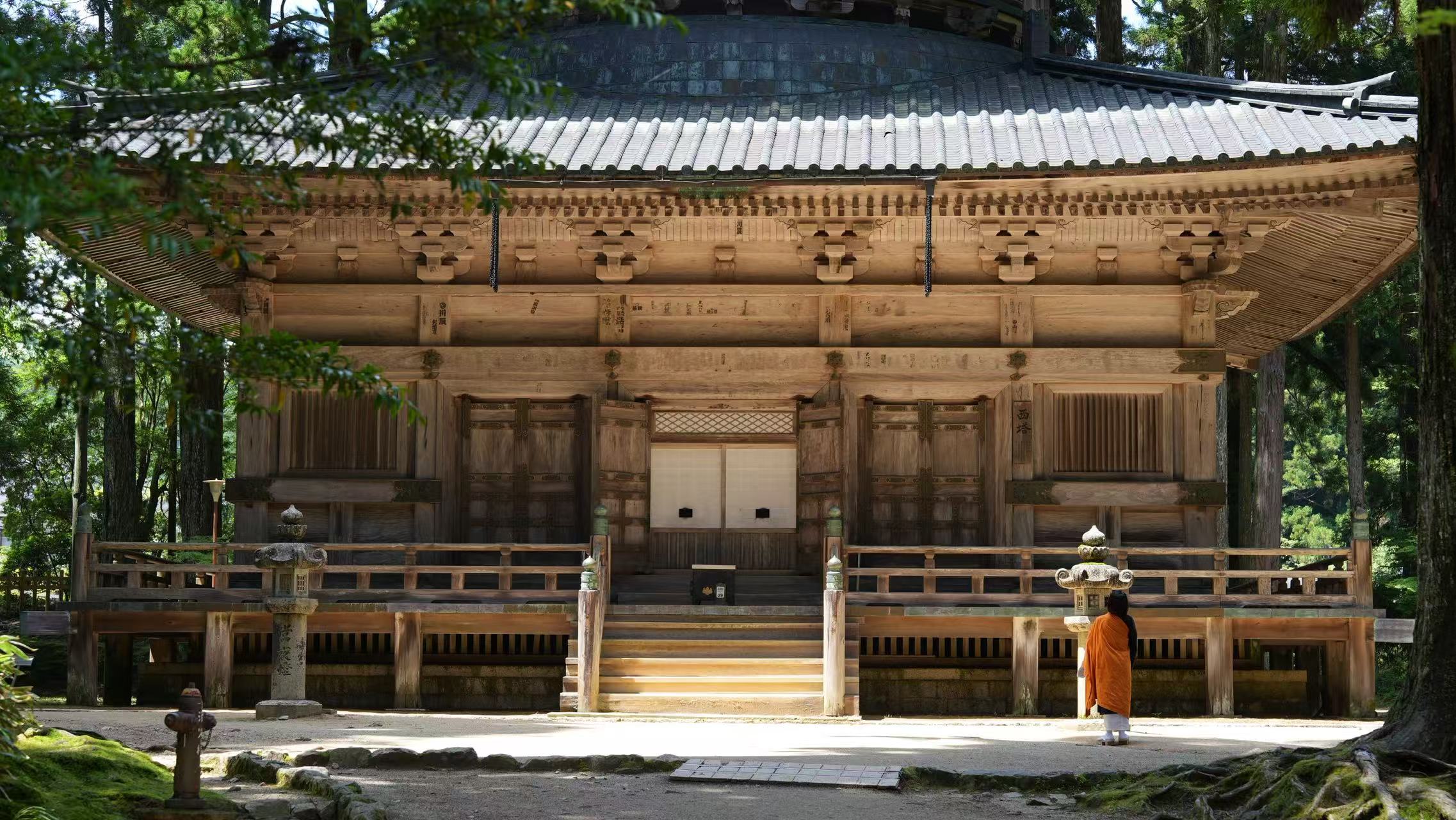
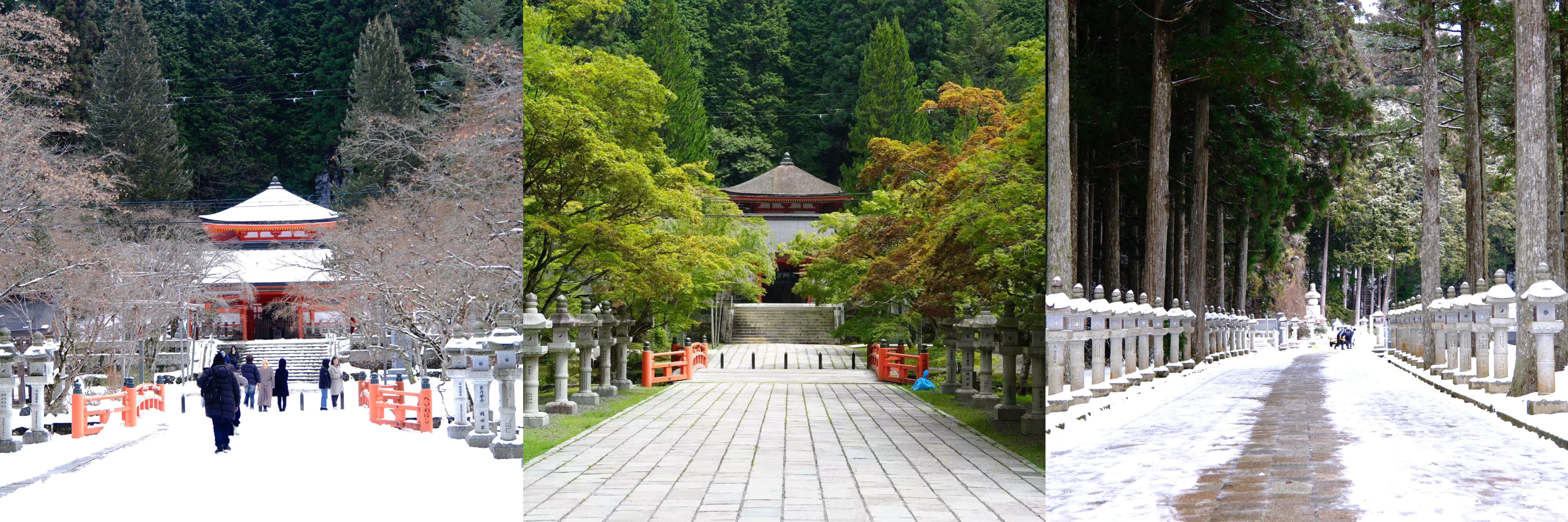
Calming the mind in the sacred land of Koyasan, a moment like a Pure Land.
Koyasan, as the sacred site of Japanese Buddhism, is a place where ancient temples quietly stand, surrounded by sea of clouds, resembling a Pure Land that calms the mind.
The air is gently scented with incense, and the sound of Buddhist chanting softly resonates. Walking between towering ancient trees, sunlight filters through the leaves, gently showering down.
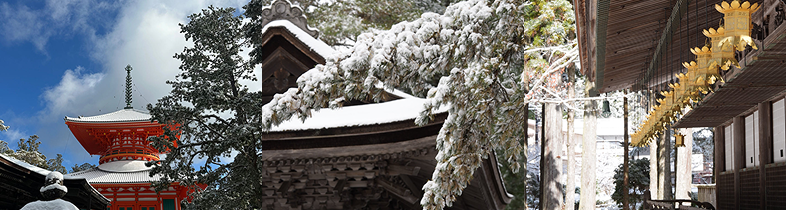
Okunoin is the most sacred place on Mount Koya and the site where Kobo Daishi, the founder of Shingon Buddhism, entered eternal meditation.
Walking along the roughly two‑kilometer approach, you pass towering ancient cedars and a quiet stone path carpeted with moss. Tens of thousands of historic gravestones and memorial stupas line both sides of the road, many belonging to famous military leaders and noble families of Japan, creating the feeling of stepping into a thousand‑year corridor of time. Beyond the tranquil forest lies the solemn and majestic mausoleum of Kobo Daishi. It is not only a destination for pilgrims but also regarded as the spiritual and natural heart of Mount Koya.
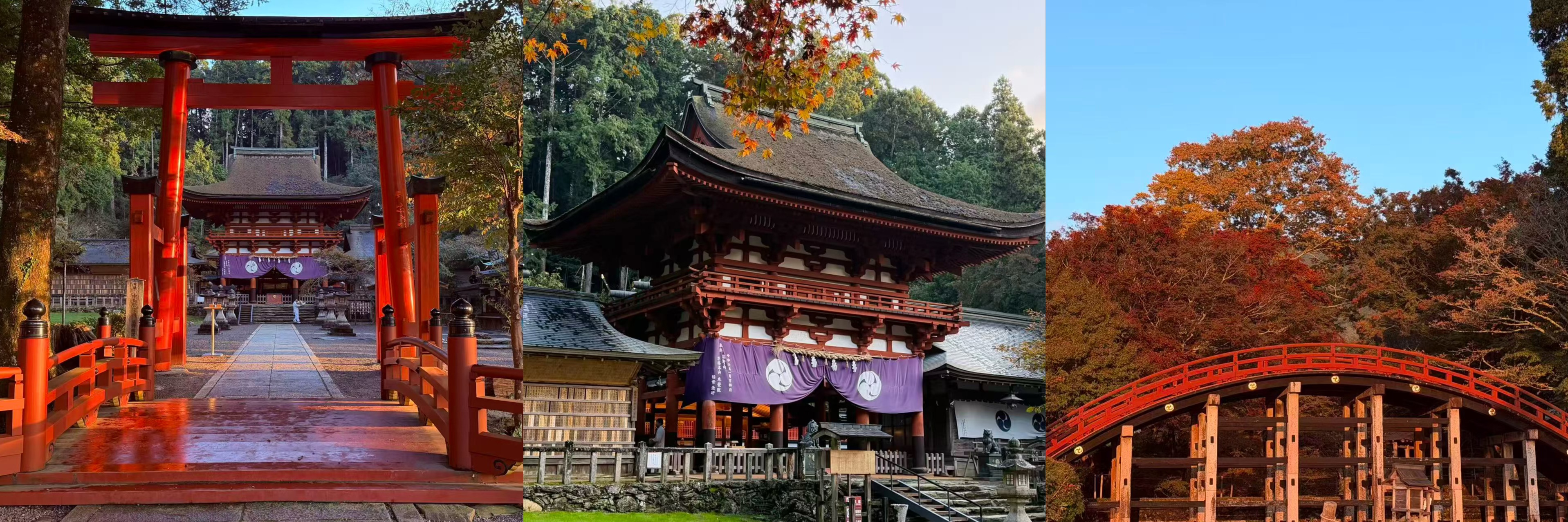
Niu Myōjin Shrine is nestled among the mountains of Wakayama Prefecture and serves as an important guardian shrine of Mount Koya, as well as one of the origins of Koyasan’s spiritual tradition.
Its vivid vermilion buildings stand in harmony with the ancient forest, creating an atmosphere that is both solemn and serene. The taiko bridge spanning Kagami Pond is a symbol of the shrine, offering beautiful scenery in every season. Today, Niu Myōjin Shrine is recognized as a key component of the UNESCO World Heritage Site “Sacred Sites and Pilgrimage Routes in the Kii Mountain Range,” making it an essential sacred place for exploring the culture and spiritual history of Mount Koya.
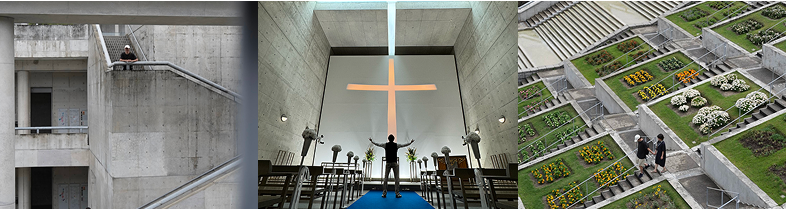
The tranquility and strength of Tadao Ando's architecture
A moment to experience the inner tranquility and strength by touching Tadao Ando's architecture.
The buildings and flowers coexist beautifully with nature, becoming a symbol of beauty. In this space filled with a sense of peace and expansiveness, imagination soars freely.
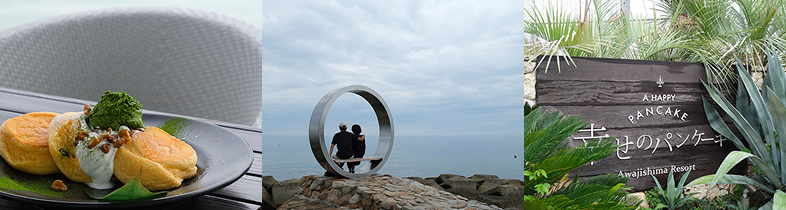
Happy Pine Cakes of Awaji Island
The perfect balance is truly wonderful.
In the Happy Pine Cake shop by the sea in Awaji Island, the fluffy texture and fragrant sweetness spread out. One bite,and the softness, like cotton candy, melts in your mouth, spreading the taste of happiness.
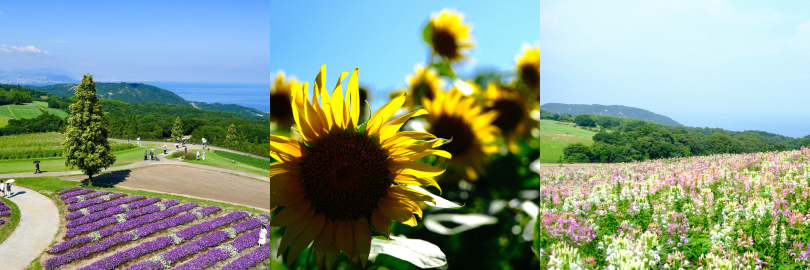
Flower Gallery
At Hyogo Prefectural Awaji Flower Gallery, walk through the Sky Path and experience a dreamy feast of flowers that change with the seasons, embracing the romance gently wrapped in nature and art.
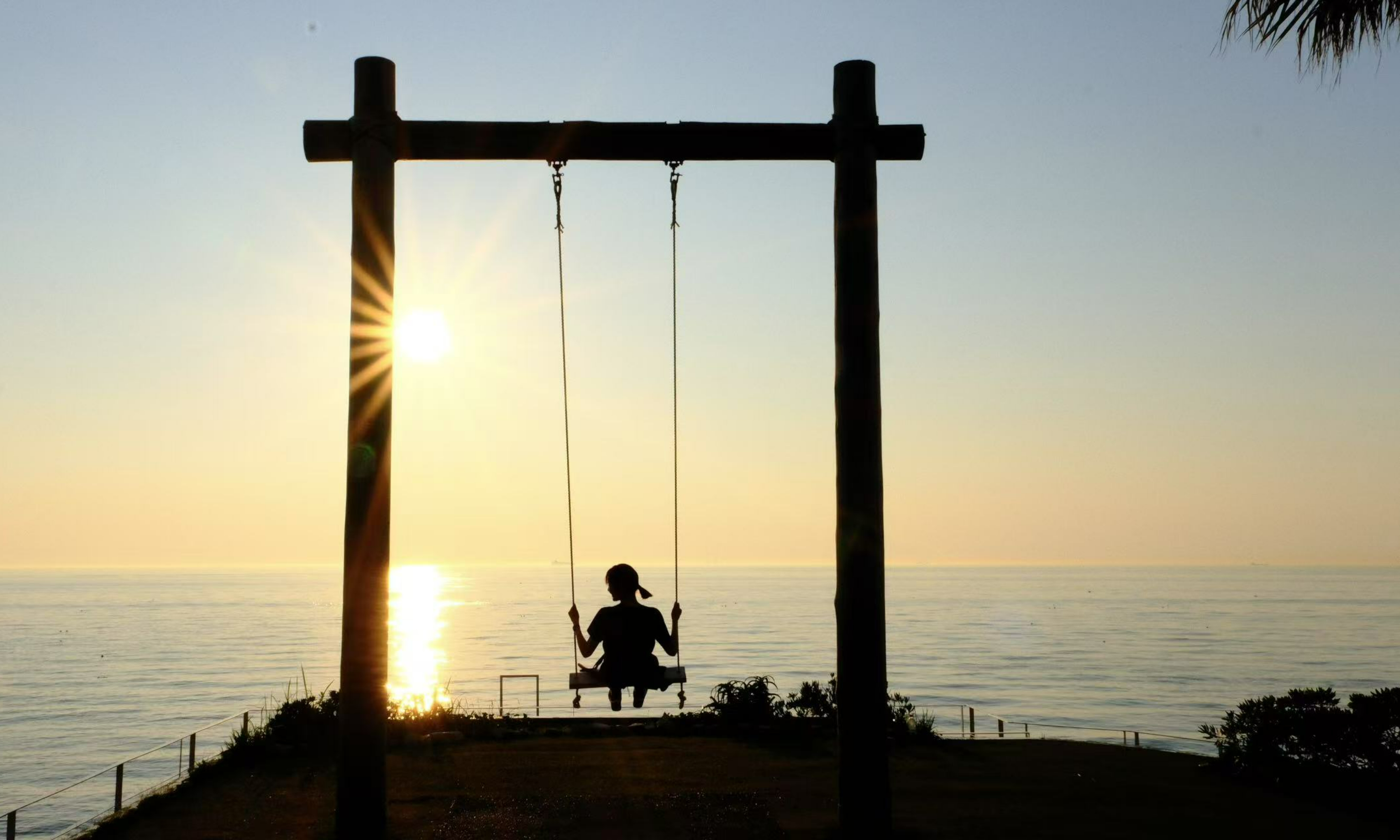
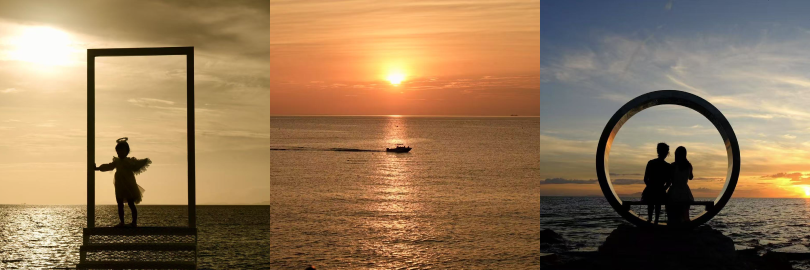
Dusk time of Seto Inland Sea
As dusk falls, the sky and sea begin their golden symphony. Clouds, like orange soda, spill across the Seto Inland Sea, painting the waves with flowing gold. Under the silhouette of windmills, time seems to be enchanted, with every frame resembling a movie scene.
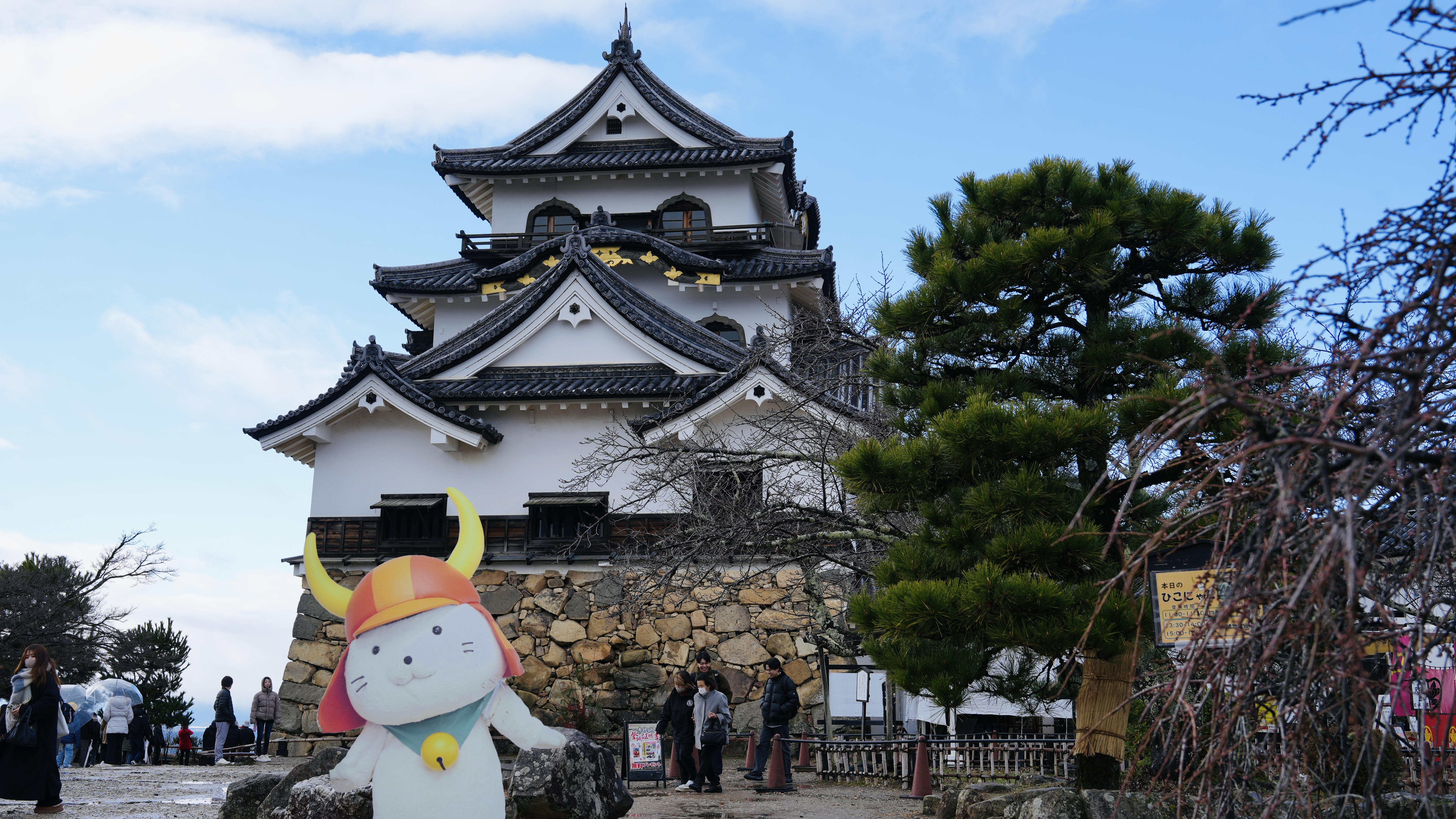
• MIHO Museum is a masterpiece by architect I. M. Pei, hidden in Omihachiman Pilgrimage the mountains of Shigaraki. A time-transcending tunnel leads to a modern Shangri-La filled with light, geometry, and tranquility.
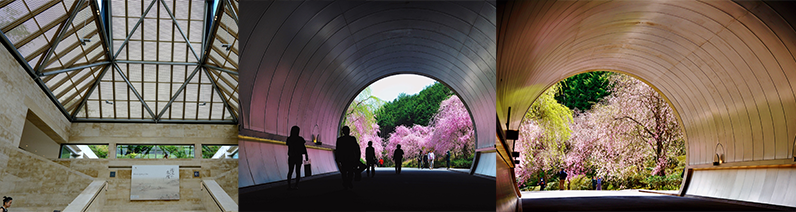
• La Collina Omihachiman: La Collina is a fairytale-like experiential park nestled in the Shiga countryside. Centered around a massive thatched-roof building, it serves as the flagship workshop of the renowned confectionery brand “CLUB HARIE” and the whimsical stage for artist Kazumi Uchinokami’s “Little Grass People” installations. Here, you can savor their signature Baumkuchen and Omi beef delicacies, while soaking in the healing harmony of hills, meadows, and art.
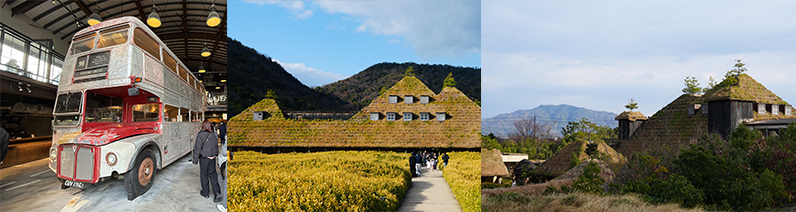
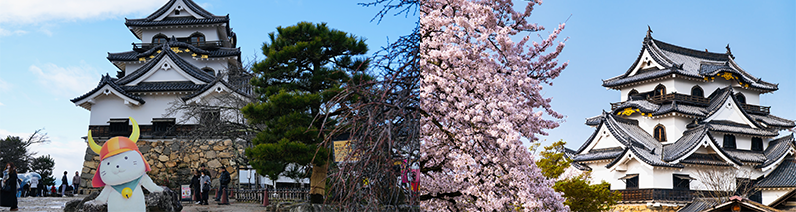
• Hikone Castle: Visit one of Japan’s five National Treasure castles, stroll through its grounds and castle town, and take in the Edo-period atmosphere along with sweeping views of Lake Biwa.
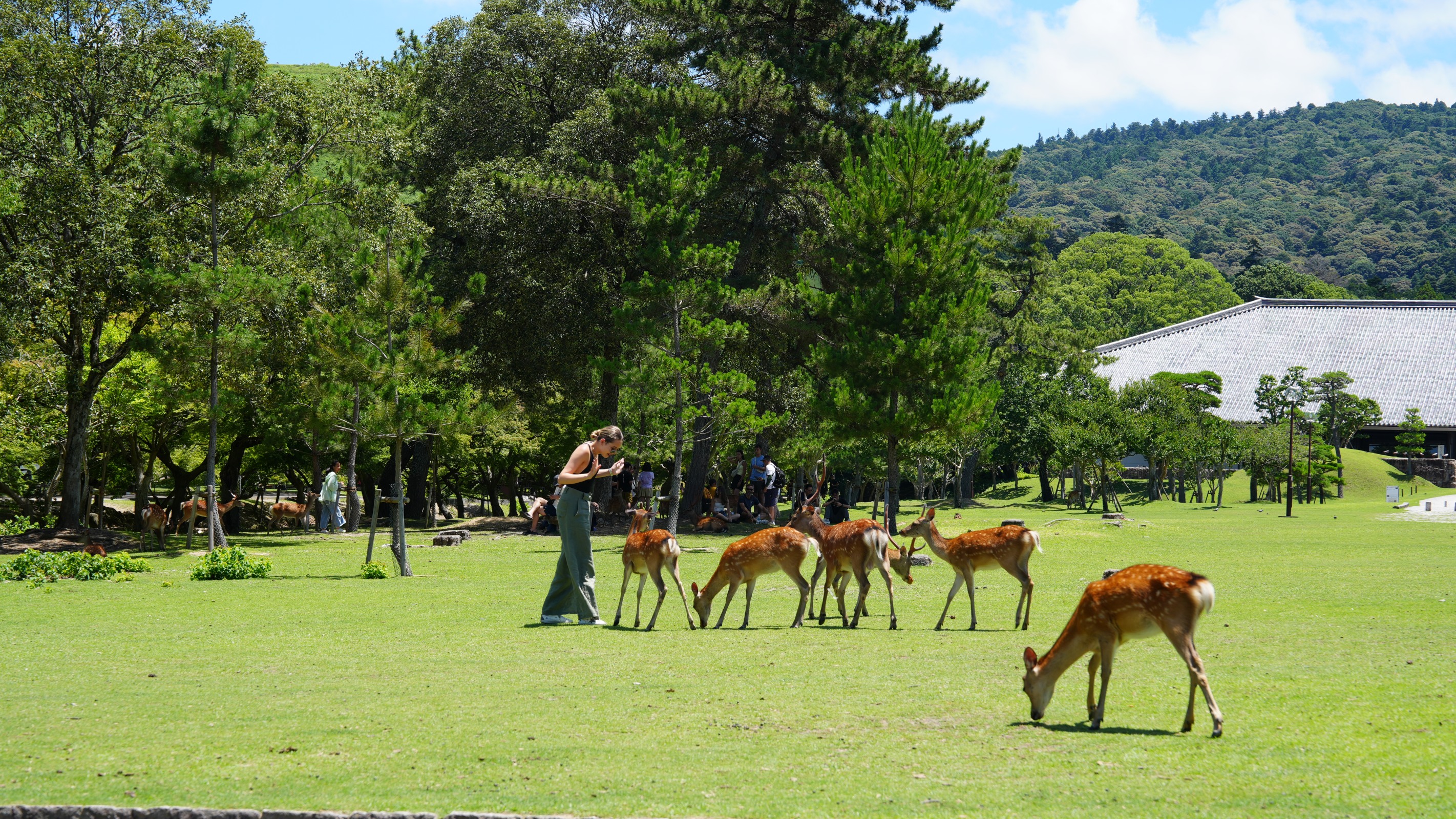
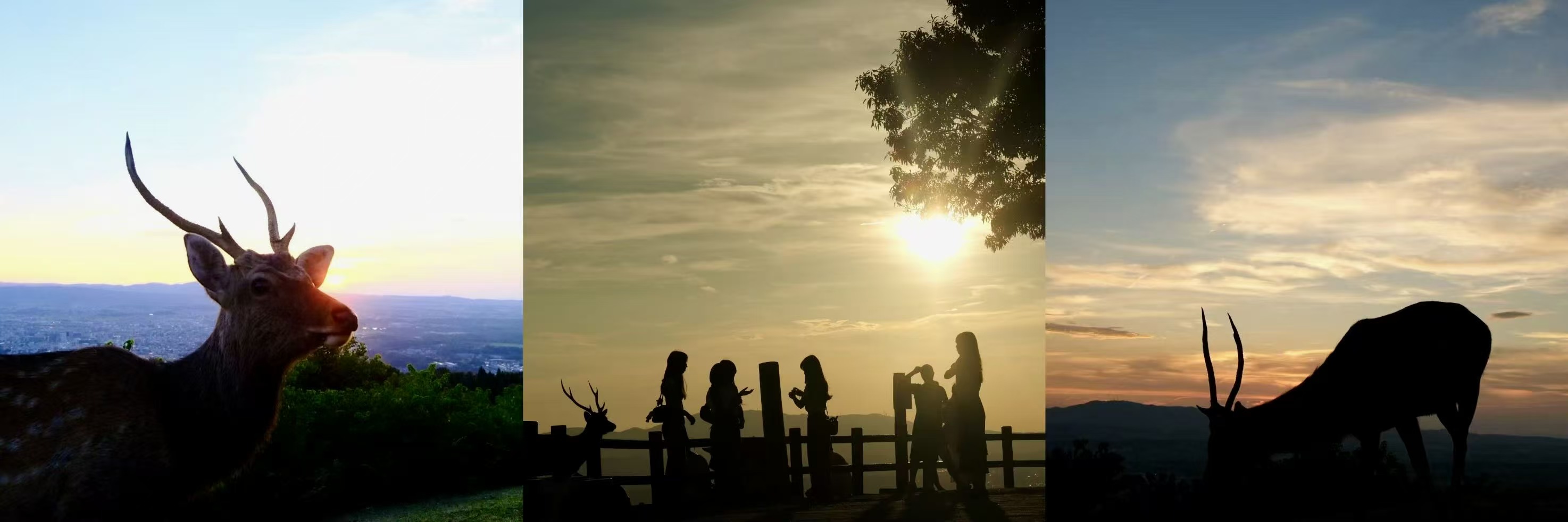
Nara Park is more than just a park; it is a timeless canvas where history and nature intertwine. Every step whispers echoes of the past, and every leisurely deer stroll embodies a thousand-year story of Nara. The deer of Nara, undoubtedly the park’s most spirited presence, rest or frolic with innocence and charm. Holding deer crackers opens the door to a warm interaction with these gentle creatures, instantly soothing all fatigue. Once regarded as divine messengers, they now offer travelers tender encounters filled with grace.
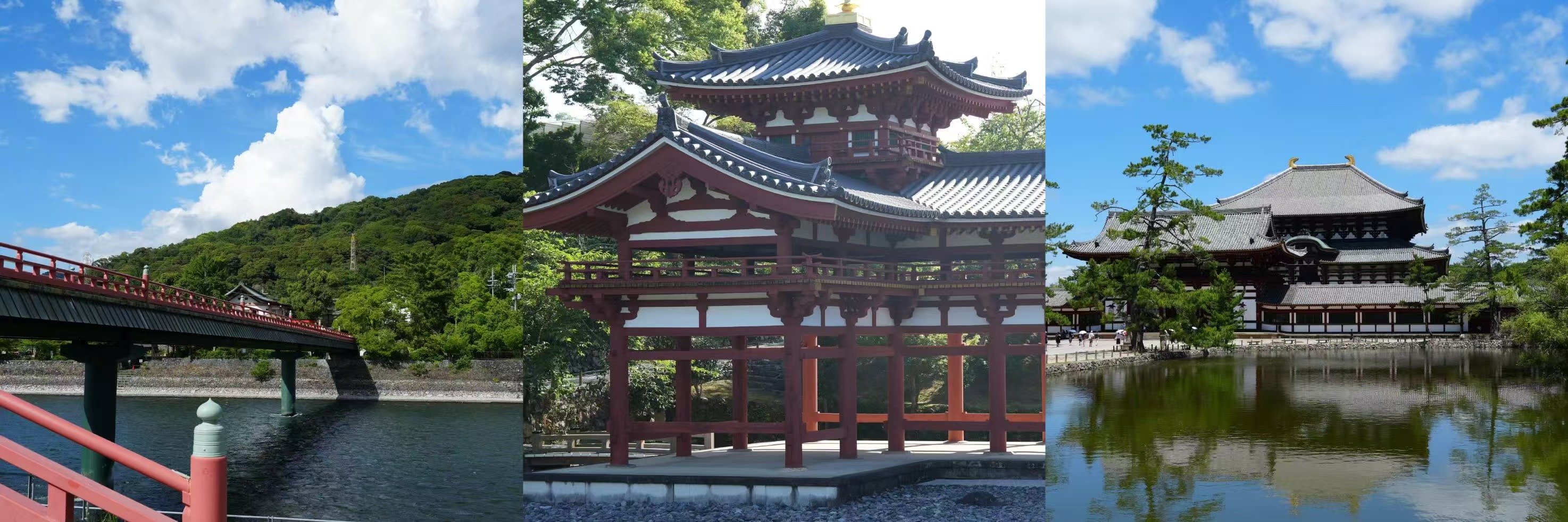
Todaiji Temple, a millennium-old sanctuary blending Buddhist history with the beauty of nature. Standing here, you’ll witness the world’s largest wooden structure—the Great Buddha Hall, housing the towering 15-meter-tall Vairocana Buddha, quietly conveying a message of peace. The weathered cracks on its beams are badges of time, and the Nandaimon Gate's guardian statues remain imposing. Even Nara’s gentle deer love to lounge on the temple’s steps, as if “listening to sermons.” When sunlight filters through the ornate eaves and warms your palm, you realize that a thousand years of history can truly feel within reach. The interplay of light and time creates the most gentle and unforgettable memories of this visit.
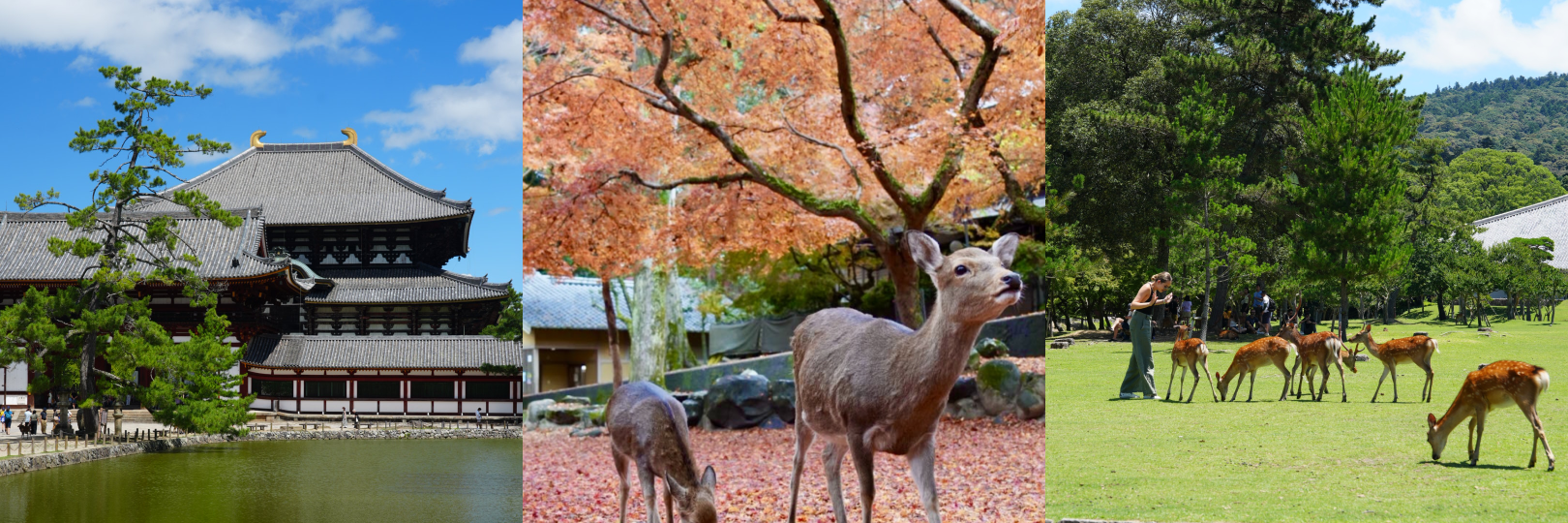
Nigatsu-do Hall, quietly nestled at the base of Nara's Wakakusa Mountain, is a perfect place to immerse yourself in history and nature. Famous for the "Shunie" ritual held every March, where torches light up the night sky as prayers for peace in the new year, it offers a magical experience. At sunset, the platform of Nigatsu-do provides a poetic view of the Nara Basin. Whether reflecting on Buddhist culture or savoring tranquil moments, Nigatsu-do promises an unforgettable journey.
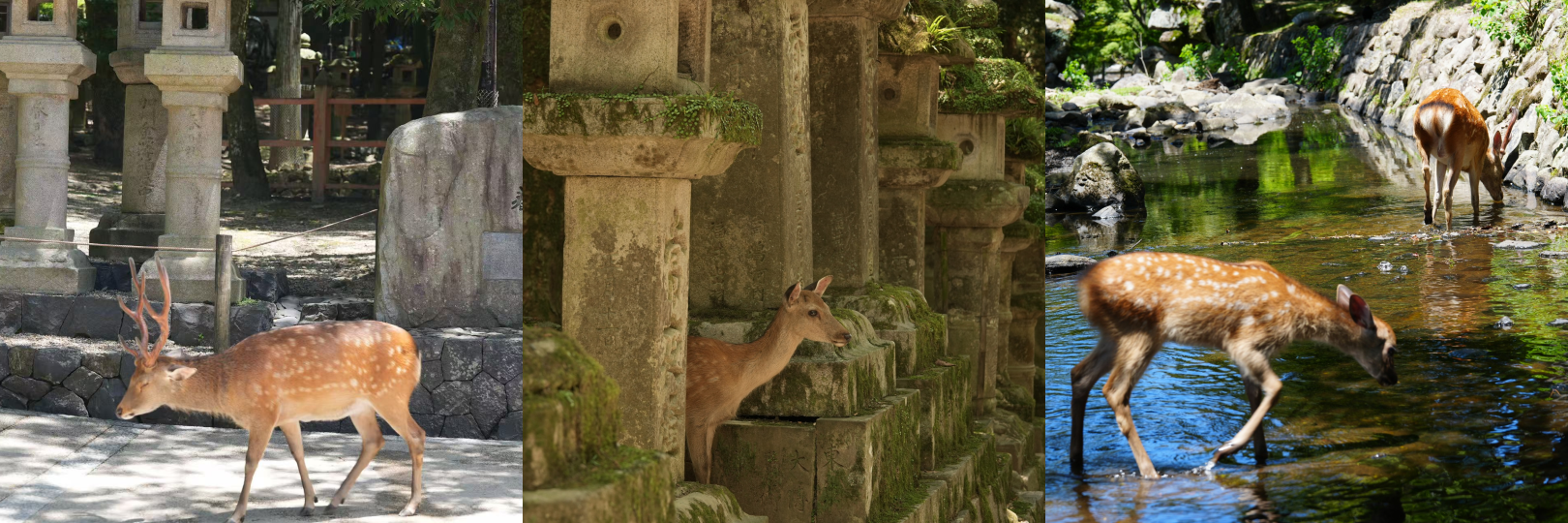
Kasuga Taisha Shrine, with its thousand stone lanterns resting quietly under moss and its vermilion shrine blending with ancient greenery, offers a timeless, tranquil atmosphere. The gentle breeze, accompanied by deer wandering nearby, makes it feel as though time has stopped. Every step reveals a new view, softening one’s heart in the shifting light of Kasuga.
Byodoin Temple in Uji, a UNESCO World Heritage site, beautifully merges the concept of the Pure Land Paradise with elegant garden design. Famous for its Heian-era architectural beauty, the splendid Phoenix Hall is reflected in the serene waters of Aji Pond, leaving visitors in awe. In this peaceful moment, one's heart feels as pure as water.
The Uji River, a serene and picturesque stream, nurtures Kyoto's Uji culture and history. Walking along its banks, one is enchanted by cherry blossoms in spring and vibrant autumn leaves. A boat ride on its clear waters immerses you in the romantic essence of The Tale of Genji. The graceful scarlet hue of Asagiri Bridge, juxtaposed with the river's gentle ripples, is a photographer's dream. Whether exploring ancient landmarks or seeking natural beauty, the Uji River promises an unforgettable journey.
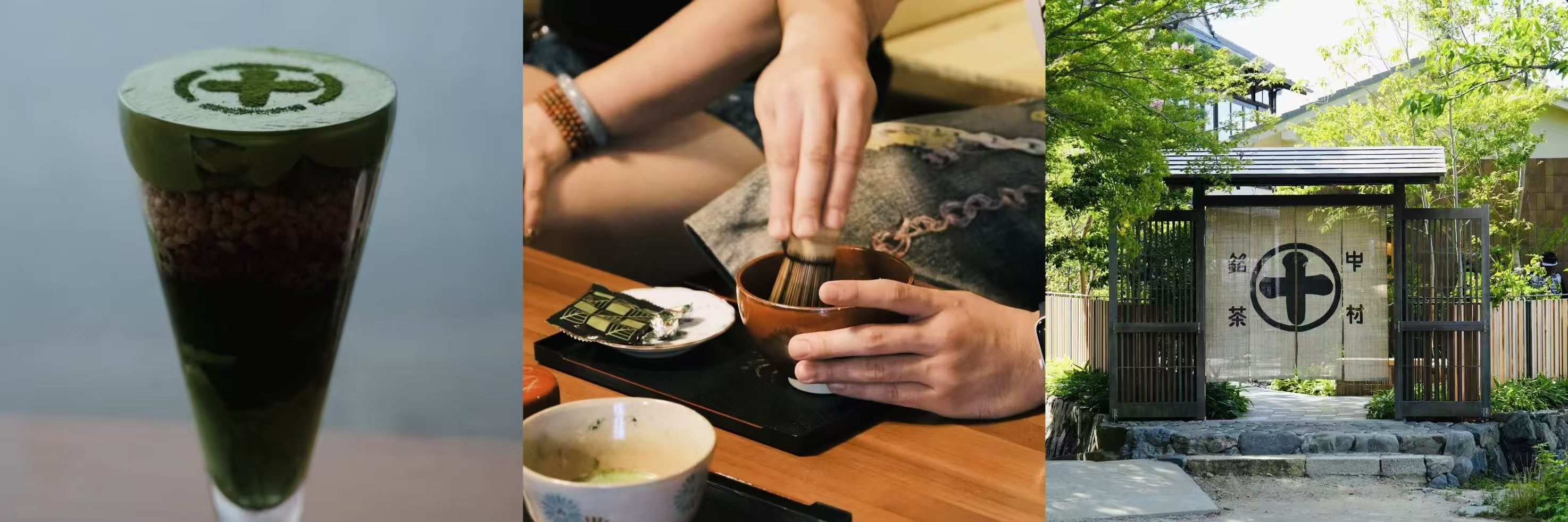
Nakamura Matcha Shop is a paradise for matcha lovers! With a century of history, the shop seamlessly combines tradition with innovation. Their signature dessert, "Maruto Parfait," is a work of art, with layers of rich matcha flavors creating pure bliss with every bite. While exploring Uji, be sure to pause here for a treat and savor the unique charm of this thousand-year-old tea town.
Mount Wakakusa, a hill blanketed in lush green grass, is a perfect spot in Nara Park. Climbing to the summit at the third plateau offers a breathtaking view of the Nara Basin, filling one's heart with delight. Each season brings its own charm—fresh greenery in spring, autumn leaves in fall, and a tranquil snowy landscape in winter. At night, the mountain's views are heralded as one of Japan's "New Three Major Night Views," making it a favorite among photographers.